Tangerine Dream: The Pink And Virgin Years

The early seventies were a fertile period for progressively inclined musicians, with music being pushed into new frontiers, not just with new technology and production techniques, but with a mind-set about how that equipment could be used to create new sound.

The music scene in Berlin was no exception, with the development of “Krautrock”, or more respectfully, “Kosmische Musik”. This was a genre that drew on sources such as psychedelic rock, minimalism, the avant-garde, and electronically created music, blending it all in one melting pot and seeing what the results produced.

It was out of this scene that the fledgling Tangerine Dream was created by founder member Edgar Froese, a musician fascinated by technology and inspired to create his own custom-made instruments and merge the sounds with tape recordings and loops. It might sound primitive now but this was the beginning of sequencer technology which has now become the bedrock of electronic and dance music.

Froese quickly entered into collaborations like-minded musicians, and within the space of four years created four remarkable albums, which are collectively known as “The Pink Years”. (A word play on the record label Ohr, which displayed a pink ear as its logo.)

A quick scan of the credits across these four albums reveals the wealth of creative talent with early contributions from the likes of Klaus Schulze, Florian Fricke (Popol Vuh), both of whom who went on to create their own impressive musical legacies, along with sound engineer Dieter Dierks (who later had success producing the Scorpions).

The debut album Electronic Meditation was released in 1970, and is very much a collection of improvised and spontaneous pieces, based around traditional instruments like guitars and drums, with the organ almost relegated to the background to provide ambience and atmosphere. The results are not so far removed from the sort of music that Pink Floyd was experimenting with on their Ummagumma album, but the arrangements are less structured and melodic.

Alpha Centauri, which followed in 1971, saw the arrival of Chris Franke, who would become part of the seminal line-up of TD, with the organ and embryonic synthesisers becoming more prominent in the sound. The arrangements sound a little more structured, but are still full of improvisation and experimentation, and this album might be considered a bridge between the original Kosmische Musik sound and the more ambient music that would follow.

Zeit is very much the definition of “cosmic music”, spread across four lengthy pieces, each running for around 20 minutes. It feels like a lot to absorb, but in fact as soon as the opening cello notes strike up, the listener is drawn into a zone where time becomes meaningless and motionless. The emphasis is on atmosphere and ambience, with little or no rhythm, and no discernible melody, and yet it’s an incredibly absorbing listening experience. Crudely put, it’s like experiencing a space odyssey in your own mind.

The album that followed, Atem, often feels sidelined by comparison, as the music moved towards more recognisable melodies and sequenced patterns. However, for me it’s as rewarding as the previous albums, as it shows the band continuing to progress and redefine their sound. The spacey “out there” feel of Zeit is still present, but you can feel the sound moving closer to the tempos and rhythmic oscillations that would define the following year’s landmark album Phaedra – their first for the Virgin label, and the beginning of a golden period for the trio’s creativity.

The Pink Years set has been exhaustively issued and reissued over the years, but the current record label Esoteric has seen fit to reissue the set again, in a clamshell box with LP style replica cardboard covers for each cd. In terms of packaging it’s disappointingly bare-bones, with no inner sleeves or liner notes, and merely a fold-out poster.

page

The chief narrative above is credited to fellow WP blog Moments In Transition and author  

You would need to have pretty much an entire afternoon at your disposal to absorb this mix in its entirety, At just a few seconds over two and three quarter hours it showcases the seventies output and of the mixing, made using Virtual DJ, I think that it does represent a complete journey; Zeit into Atem and Rubycon into Stratosfear worked particularly well. Here is the set menu:

Alpha Centauri
Zeit
Atem
Phaedra
Ricochet (Part 2)
Rubycon (Part 1)
Stratosfear
Madrigal Meridian
Cloudburst Flight
Tangram (Set 1)

DOWNLOAD FROM SENDSPACE

https://www.sendspace.com/file/x2tsn1


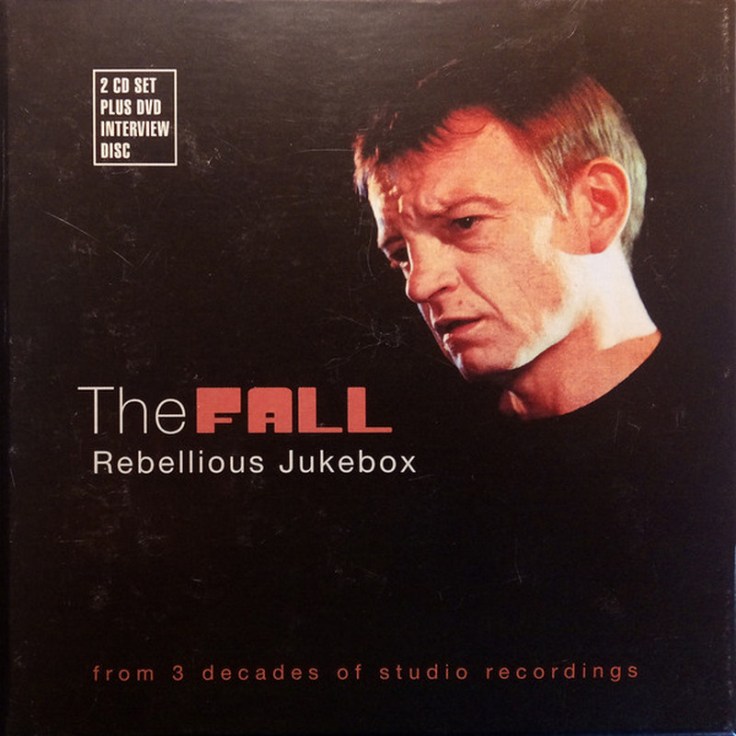
A rebellious jukebox: My ten favourite songs by The Fall

R-528679-1559152517-5073.jpeg

20p a play, five plays for a quid as I remember but jukeboxes were really more of a seventies thing. Hard to imagine finding “Cab It Up!” in the late eighties when the pop world was all Stock, Aitken and Waterman.

Coincidentally, the flipside to”Cab It Up!” was Deadbdeat Decendent, actually one of my very early Fall listens upon buying (on vinyl of course) the Seminal Live! LP.

The Fall originally formed in Manchester, England in late 1976, making its live debut in May 1977. For over 40 years, the group continued with founder and sole constant Mark E Smith at the helm, until his untimely death in January 2018.

Around 50 core members have passed through the group’s ranks, bolstered on various occasions by additional guests. To 2018, there have been 32 studio albums, more than 50 singles and approaching 100 live albums, compilations and box sets.

My adoration and loyalty to the band’s music has never waned though I was surprised at their longevity and output. Clearly MES always felt he had more to do rather than prove and wanted to satiate an old fanbase that was still attracting new blood way into the noughties.

If we were to use the millenium as a divide then me, I’m certainly old school in preferring the very early period so in doing this wee project, you won’t be surprised that my ten selections are all from that era.

page

My introduction to the band was, like so many, because of John Peel’s radio programmes. He loved The Fall. He played a lot of The Fall. And his festive fifties were full of The Fall.

I think the first song I heard was “Container Drivers”, a screeching, rockabilly-like blast that just grabbed you by the short ‘n’ curlies. After that I remember buying their debut LP, Live At The Witch Trials, oh and Totally Wired on a single.

Geotesque remains my favourite Fall album and it was a tough call leaving out English Scheme and Impression Of J. Temperance but something had to give.

Preparing a favourite ten songs by The Fall for me was a lot easier to do than say, ten favourites by REM. Both have extensive album discographies but The Fall are just different gravy. There’s usually a killer song on an album in comparison to REM having three or four ‘hits’, given their more mainstream appeal.

01. Surmount All Obstacles (Middle Class Revolt)
02. Australians In Europe (B-side of Hit The North)
03. Leave The Capitol (Slates)
04. Gramme Friday (Grotesque)
05. Fantastic Life (Room To Live)
06. No Bulbs (The Wonderful And Frightening World)
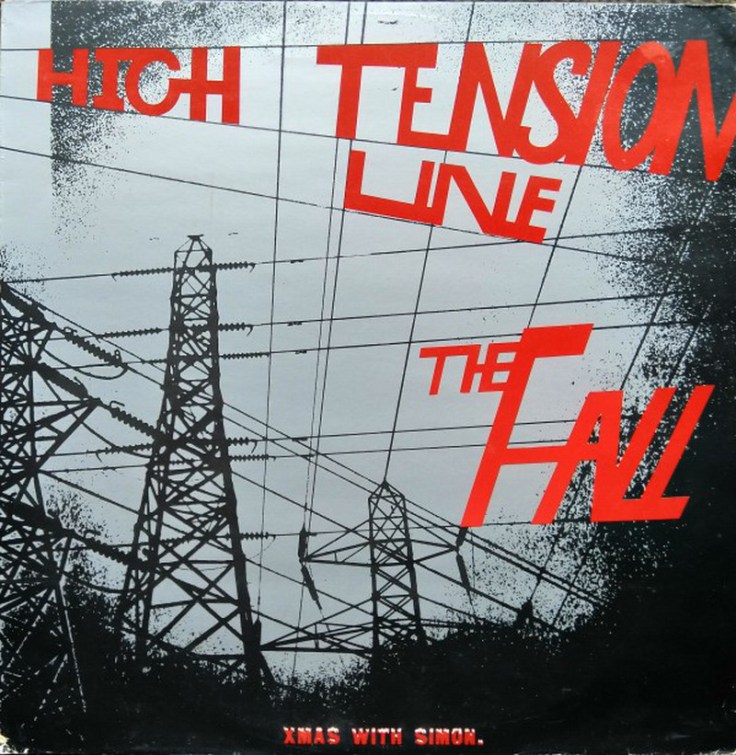
07. High Tension Line (Shiftwork)
08. Hexen Definitive / Strife Knot (Perverted By Language)
09. Guest Informant (The Frenz Experiment)
10. Jawbone And The Air Rifle (Hex Enduction Hour)

And I guess that my top ten may come as a surprise to Fall fans who know much better than I. For example, from Extricate, I really like Bill Is Dead. It’s just stands out to me from the other songs, not sure what it is about it but for me it even tops Telephone Thing!

High Tension Line gets in by virtue of it being one of the very few Fall items I bought on 12″!

R-1727686-1549744449-1793.jpeg

Along with a few of others in Wrong Place, Right Time, Free Range and the aforementioned Deadbeat Descendent, Bill just fails to make the cut here.

10. Jawbone And The Air Rifle (Hex Enduction Hour)

09. Guest Informant (The Frenz Experiment)

08. Hexen Definitive / Strife Knot (Perverted By Language)

07. High Tension Line (Shiftwork)

06. No Bulbs (The Wonderful And Frightening World)

05. Fantastic Life (Room To Live)

04. Gramme Friday (Grotesque)

03. Leave The Capitol (Slates)

02. Australians In Europe (B-side of Hit The North)

01. Surmount All Obstacles (Middle Class Revolt)

This selection I like to play in this order as am album in its own right too – I think it flows without the contraflow. If you like, why not use the LEAVE A REPLY box and tell us your ten fave Fall numbers.

The Fall are still going today so far as I’m aware and perhaps back then against the back drop of regular chart music, they were really out on there own and truly this nation’s saving grace.

CREDITATION

Eoin Murray, Vinyl Factory
The Fall Online
The Great Rock Bible

Copenhagen v Malmo: Tensions high in ‘The Bridge’ derby

When TV cop Saga Noren speeds across the Oresund Bridge to Copenhagen it is often a matter of life and death. When Malmo FF make the same journey on Thursday it will be much more important than that.

For decades, fans of the Swedish club have dreamt of a first European away trip to their near neighbours FC Copenhagen and the chance to knock the most successful Scandinavian club of the modern era off their perch.

For the Danish giants meanwhile, the visit means begrudging recognition that the away team are no longer to be taken as lightly as they once were and, with Europa League progression to play for, it is a Nordic derby neither side can afford to lose.

Malmo and Copenhagen are only half an hour apart by train but, as fans of the Scandinavian-noir crime TV series ‘The Bridge’ will be aware, there is a culture clash between the two cities.

A way of defeating the ‘evil’

People from the Danish capital, the Swedish stereotype suggests, are arrogant. People from Sweden, the Danish stereotype would have you think, take themselves and their rules far too seriously.

To what extent either point of view is based in reality is up for debate, but it is true FC Copenhagen and Malmo also represent two very different football identities.

_110076993_malmo_copenhagen_map

The journey across the Oresund Bridge, connecting Copenhagen in Denmark to Malmo in Sweden, takes about 30 minutes by train

With both sides obliged to take something from the game in order to guarantee progression to the knockout stage, the result on Thursday becomes a de facto referendum on the best way to run a club.

The juxtaposition of model is clear. Swedish football operates a ‘51% rule’, meaning club members must always have a decisive stake and private actors cannot become majority owners of football teams.

As such, 1979 European Cup finalists Malmo are limited in how much they can take advantage of the vast sums of money flowing into modern football from investors.

FC Copenhagen by contrast are more like a traditional business, owned by the Parken Sport and Entertainment group and founded in 1992 before winning their first league title just a year later.

“Copenhagen are everything Malmo fans think football should not be, in the sense that they have bought their success while Malmo built theirs from scratch,” Malmo fan and journalist Alexandra Jonson argues.

“This game is a way of defeating the ‘evil’, it’s more than just playing in Europe, it’s playing against modern football.”

Copenhagen’s ‘little brother’?

Malmo supporters may not agree with FC Copenhagen’s ownership model but they would certainly like to replicate the Danish side’s European success.

Copenhagen have made it to European competition proper in 13 of the last 14 seasons, making them by far the most consistent Scandinavian side in Uefa competitions. Malmo want to disrupt that hierarchy, and have been making inroads over the last decade.

“Malmo’s desire is to become the greatest team in Scandinavia – and has been for a while. If they can beat Copenhagen it’s more than just qualifying for the next round, it will take Malmo one big step closer to their ultimate goal,” Jonson says.

_110076990_oresund_bridge_getty

The Oresund Bridge runs for almost five miles from Sweden’s west coast to the artificial Peberholm island, where the crossing to Denmak is completed by the Drogden Tunnel

Although Malmo really should have won the first competitive meeting between the two sides in Sweden last October if they had not wasted their chances, Copenhagen’s clear dominance on the European stage means the rivalry between the clubs is asymmetrical.

One of the banners their fans displayed when they played in Malmo disparagingly described the Swedes as their “little brother”, and some take pleasure in the vitriol directed towards them.

“Copenhagen fans find it very amusing that Malmo fans hate us so much. They write stuff like ‘plastic fan’ on Twitter and it’s like ‘dude, relax’. They feel the hate so intensely and we don’t,” said Sarah Skarum, FC Copenhagen fan and journalist for Danish broadsheet Politiken.

The Danes may be top of the pile for the moment, but the gap is gradually closing. Malmo have played in Europe five times since 2011, and last season they progressed to the knockout stage of the Europa League while Copenhagen fell in the groups. A cause for concern?

“We perhaps have a bit more respect for them these days but we still see them as a smaller club than ours and less successful,” Skarum insists.

“That being said, we are worried about the match. Just the thought of their joy… and we really want to be in Europe after Christmas. The fear isn’t losing to Malmo, but not qualifying.”

‘A match not to miss’

They may feel superior, but the idea of Malmo progressing at their expense will not be an enticing one for FC Copenhagen supporters, with the constant exchange of people between the two cities ensuring the ripple effect from Thursday’s result will be inevitable.

“There is something special about the occasion because Parken will be full, with many away fans, so it would be wonderful to win. Their stupid and quite entertaining one-way hate would make it even funnier,” Skarum jokes.

Parken is almost sold out, and it is hoped the atmosphere between the two sets of supporters will be cordial. There will certainly be plenty of interaction between them: Malmo sold their 2,400-ticket allocation almost instantly and, as Jonson explains, that number is likely to be the tip of the iceberg.

_110077155_bridge_bbcsvtkarlnordlund

Popular BBC Two crime series The Bridge was co-produced in Sweden and Denmark

“There will be a lot of ‘unofficial’ Malmo fans – my family and friends are going with ‘neutral’ tickets – this is a match you don’t want to miss,” she said.

“Playing at home with the entire stadium behind them, Malmo have done the impossible, so now they have the chance to create that at an away game just the other side of the bridge.”

In autumn when the group draw was made, 12 December was the date that stood out, and results elsewhere have conspired to set the night up perfectly for a dramatic finale.

If Malmo win, their progression and first place is guaranteed. If Copenhagen take at least a draw, they top the group and, depending on results elsewhere, could even send Malmo home.

CREDIDATION: BBC Football

Responsible Child: BBC TWO, 16/12/2019

A quite brilliant, gripping drama. And I cried.

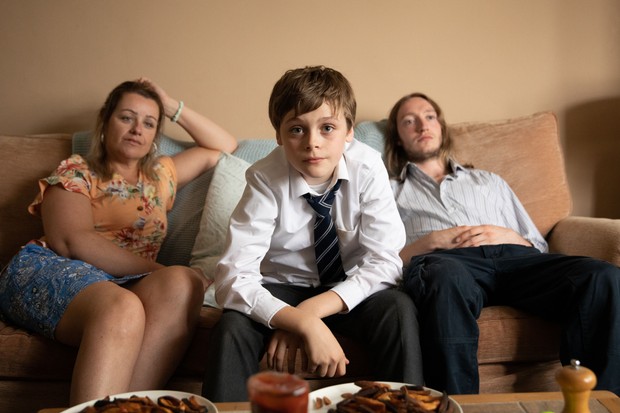
Responsible Child is the story of Ray, a 12 year-old boy on trial for murder.

Ray (Billy Barratt) and his 23 year-old brother Nathan (James Tarpey) are arrested after stabbing their mother’s partner. Whatever the circumstances that have led a child to kill, the law is clear: the age of criminal responsibility in England and Wales is 10, and at 12 years old, Ray must stand trial in an adult court.

Based on a true story and told in two time frames, the film follows both the events that led up to the murder and the unfolding drama of the trial, taking us inside a young boy’s experience of the legal system and asking powerful questions about responsibility and redemption.

3797

in England and Wales, 10 is the minimum age of criminal responsibility – meaning a 10-year-old accused of killing someone can be tried like an adult in a Crown Court in front of a jury, rather than in the youth courts.

few concessions are made based on their young age, including their first name being used, lawyers not having to wear wigs and gowns, and being allowed to sit close to their lawyer or an appropriate adult.

But can a child that young understand what it means to commit a murder? Are they responsible for their actions? And what happens to them later in life if you convict them as an adult before they even become a teenager?

Responsible Child

Those questions are at the heart of 12-year-old Ray’s story, which is told in new BBC drama Responsible Child – loosely based on a real-life case.

Ray, who loves playing video games, learning about space and watching reality shows, is on trial – alongside his big brother, Nathan, 21 – for a brutal murder.
After their abusive step-dad narrowly escapes prison for attacking Nathan with an axe, he returns to the overcrowded family home and starts being abusive to their mum. One night, the brothers go downstairs and stab him more than 60 times while he sleeps on the sofa.

It’s an attack so frenzied they almost cut his head off.

The story is based on that of Jerome and Joshua Ellis, who were 14 and 23 when they also killed their step-dad.

The preparation for Ray’s trial plays out in the present. We flash back repeatedly to the events that led him there, from the “ordinary” fear the boys live with under Scott’s rule, to Scott’s armed attack on Nathan, for which he is charged with attempted murder – only for charges to be dropped and Scott to return to the home more furious than ever.

It is, to put it mildly, an untenable situation. The flashback scenes throb with misery and dread. As Scott, Shaun Dingwall perfectly captures the bitter toxicity of a certain kind of man, slashing and burning his way through a pathetic life, thriving on the terror he causes in others.

The alternating of this timeline with the other dissipates the emotional tension and narrative torque, especially as this film’s court scenes are thin, dry things and the fine actors in them – including Michelle Fairley as the barrister Kerry and Stephen Campbell Moore as the child psychologist Dr Keaton – are given little to work with. She is there mostly to deliver snippets of legalese and look pained; he to look frustrated and avow on the stand that a child’s brain is less developed than an adult’s.

The lack of detail (Ray’s team reacts with horror, for example, when Nathan decides not to give evidence, but we are not told what it means, although it is clearly not good; the failure of social services is presented as a given) raises distracting questions about the process when we should be focusing on Ray.

19109930-low_res-responsible-child-scaled

There are clunky moments scattered about, too, when the pedagogic intent overrides the dramatic. “If you were 30 years old with your mind,” Kerry tells Ray at one point, “you’d be judged not fit to stand trial. But you’re not, Ray.” It’s a point made purely for the viewer’s benefit – for the character to utter it in that context serves no purpose other than to burden her 12-year-old client with further appreciation of the relentless absurdity and injustice of the world.

But if the first hour slows the pace and keeps the viewer at a slight distance, the last half-hour pulls things together – and us in. The interrogation of Ray on the stand, interspersed with memories from the night of the murder, followed by the two timelines collapsing after the trial as Ray suffers nightmares in his cell, brings everything home. Debbie Honeywood, as the boys’ mother, gives a pitch-perfect portrayal of a woman numbed, her selfhood utterly corroded after years of suffering and abuse from Scott and – we suspect – Ray and Nathan’s alcoholic father. The brief scene between her and Ray after the verdict is truly harrowing.

Responsible Child

It works, overall, as drama. Will it work as agitprop? Will it prompt movement on the enduring injustice of judging children by the same standards as adults in trials? Ray, one of his team points out, is still years away from being legally able to buy a hamster. Who is responsible for this travesty? And who will take responsibility for change?

CREDITATION: BBC, Lucy Mangan (The Guardian)


Biosphere

Upload following request – I don’t have the setlist any longer though, sorry!

Biosphere is the main recording name of Geir Jenssen (born 30 May 1962), a Norwegian musician who has released a notable catalogue of ambient electronic music. He is well known for his works on ambient techno and arctic themed pieces, his use of music loops, and peculiar samples from sci-fi sources. His 1997 album Substrata was voted by the users of the Hyperreal website in 2001 as the best all-time classic ambient album.

Jenssen was born on May 30, 1962, in Tromsø, a city within the Arctic Circle in the northernmost portion of Norway. He was inspired by the music of artists such as New Order, Depeche Mode, Wire, and Brian Eno, which he described as “like discovering a new universe—a universe which I wanted to be a part of”. In 1983, he bought his first synthesizer and composed his first piece of music, taking influence from his archaeological studies, later stating “Studying the Ice Age and Stone Age has definitely influenced my music.” In 1984 Jenssen issued his first album, Likvider, released on cassette only and credited to E-man.

In 1985, Jenssen was part of the newly created Norwegian moody synth trio Bel Canto with Nils Johansen and singer Anneli Drecker. The band signed with Belgian label Crammed Discs and to Nettwerk in North America, and relocated to Brussels. Jenssen, however, soon returned to Tromsø, collaborating with the other band members by post, and continuing with his solo work. Bel Canto released two albums while Jenssen was a member, White-Out Conditions and Birds of Passage. In 1990, he left the band in order to pursue a different music style altogether, and began using a sampler.

Throughout the late 1980s, Jenssen used the moniker Bleep, under which he produced various 12″ records, now releasing records via the Crammed Discs subsidiary SSR. His early influences were from acid house and New Beat music. Released in 1990, The North Pole by Submarine was the only album recorded as Bleep. Further singles followed in 1990 and 1991 before Jenssen abandoned the Bleep moniker and again changed musical direction.

biosphere-musician-a8b71a25-cebb-4d1a-ae56-029e723d9a3-resize-750

Following the release of The North Pole by Submarine, Jenssen began releasing his music as Biosphere on obscure Norwegian compilation albums. His first Biosphere releases were the 12-inch single “The Fairy Tale” and the album Microgravity, both of which were rejected by SSR as unmarketable. Microgravity was released in 1991 on the Norwegian label Origo Sound, and saw wider release via the R&S Records subsidiary Apollo in 1992, to much critical acclaim. In 1992, Jenssen contributed “I’ll Strangle You” to Hector Zazou’s Sahara Blue project.

In 1994, the second Biosphere album, Patashnik (allegedly Russian – however this is a typo, the correct word is popuchik(попутчик) for “traveller” or “goner”), was released. Through Patashnik, Jenssen continued to explore his ambient-house stylings to an even greater extent. Patashnik contained the first hints of the reduction in beat-driven song structure that would mark later Biosphere releases. Unlike the first album, Patashnik was quickly picked up by a comparatively large international audience, which brought Biosphere greater recognition. Jenssen also recorded as Cosmic Explorer, scoring a hit in Belgium with the EP The Hubble.

In 1995, Levi Strauss & Co. was searching for a new angle to add to their television advertisement campaign (which up to that point had never featured electronic music), and they decided to use the uptempo track “Novelty Waves” from Patashnik. Shortly thereafter, “Novelty Waves” was released as a single (featuring remixes by various other artists), and managed to chart in several countries, reaching #51 in the United Kingdom. Although Jenssen never regretted his approval for use of the track, he also never sought this kind of fame and subsequently turned down various requests by his record company and peers to collaborate with well-known techno and drum ‘n bass artists or to create a follow-up album in the same style. During that same year, Biosphere contributed the song “The Seal and the Hydrophone” exclusively to Apollo 2 – The Divine Compilation released by Apollo Records.

Released in 1997, Substrata is a purely atmospheric ambient Biosphere album, released on Brian Eno’s All Saints Records. Substrata, which marked Jenssen’s embarkation towards an intensely minimal style, is not only often considered to be Jenssen’s best work to date, but is also seen as one of the all-time classic ambient albums. Substrata contains notable samples from the American TV show Twin Peaks.

In 2000, Jenssen released Cirque on his new home Touch, an ambient album driven by muffled beats, samples, and minimal atmospherics. Though Cirque briefly revisited territory covered by earlier Biosphere releases, the rhythm section throughout the album remains an element of the background, unlike Jenssen’s first two Biosphere releases, wherein the drums occupied a dominating proportion of the foreground.

In 2002, he released Shenzhou, the fifth full-length album under the name Biosphere. This album was a more abstract work, comparable to Aphex Twin’s 1994 album Selected Ambient Works Volume II. The material on the album draws from elongated, pitch-shifted loops taken from Debussy’s La Mer (The Sea), and Jeux.

Released in 2004, Autour de la Lune stands as the most minimal and austere Biosphere album to date. The drones employed on this album are comparable to Coil’s 1998 album Time Machines in their timbre and slow rate of change. The bulk of this work was originally commissioned and broadcast in September 2003 by Radio France Culture for a musical evocation of Jules Verne.

In 2006, Jenssen released Dropsonde, a half beatless, half rhythmic album composed of jazz rhythms evocative of Miles Davis’ 1970s jazz fusion works. A partial vinyl sampler was released a few months earlier in 2005.

In 2009, Biosphere issued Wireless: Live at the Arnolfini, Bristol, his first live album, containing new tracks such as “Pneuma” and “Pneuma II”.

Jenssen has scored a number of films, including Eternal Stars (1993) and Insomnia (1997). He collaborated with German ambient composer Pete Namlook on Fires of Ork, and has also worked with Jah Wobble’s Invaders of the Heart and with Bobby Bird of Higher Intelligence Agency. In 2010, two soundtracks were announced on Biosphere’s website, for German film “Im Schatten” and Norwegian “NOKAS”.

On 27 June 2011, Geir Jenssen released the album N-Plants, inspired by the Japanese post-war economic miracle. The album theme is related to nuclear plants in Japan.

“Hurricane” – in memory of Sir Bob Willis

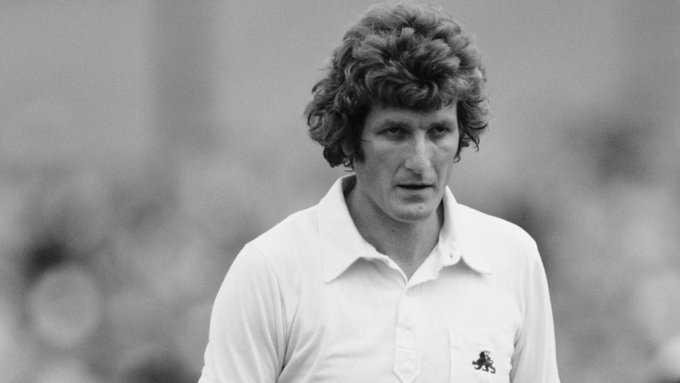
bob-willis-0

Tributes have flooded social media following the news that legendary England cricketer Bob Willis has died.

Instant flashbacks to Headingley 1981 and all that for many of us. I always admired this man, moreso in later years, warming to him on The Debate on Sky Sports with him being so dismissive on those dismal England performances.

His love of Bob Dylan (I hadn’t been aware of this) inspired me to entitle this tribute “Hurricane” – perhaps succinct when we remember his bowling and that devastation of the Aussies in ’81. I’ll post the song here too, trusting that it may have been an R.G.D favourite.

Willis’s family announced the tragic news on Tuesday afternoon following a short illness, having passed away at the age of 70.

“We are heartbroken to lose our beloved Bob, who was an incredible husband, father, brother and grandfather,” his family said in a statement.

Bob Willis ended his career with 325 Test wickets, which puts him fourth on the all-time list for England behind James Anderson, Ian Botham and Stuart Broad. His standout display at Headingley in taking eight wickets for 43 runs immortalised his legacy as one of the iconic displays in the third Ashes Test, swinging the series in England favour in what became known as ‘Botham’s Ashes’.

Having enjoyed a stellar playing career, taking 325 Test wickets in 90 matches for England, Willis enjoyed an equally impressive second career as a broadcaster, providing insight, analysis and entertainment throughout over more than 25 years with Sky Sports.

MARK BUTCHER

“He was a brilliant pundit, acerbic wit and, then away from that, one of the funniest, warmest and most generous people you could ever meet. He’s been incredible as far as his encouragement of the younger guys, which includes me, and he’ll be hugely missed by everybody.

Bob Willis was born in Sunderland to Ted Willis and his wife, Anne (nee Huntington), who moved south to Surrey when Ted became a radio subeditor and then a news executive at the BBC. Bob went to the Royal grammar school, Guildford, which was then a state school, and grew up playing endless cricket in his garden and at the local recreation ground with his elder brother, David.

He also embraced the 1960s by growing his hair and adding Dylan as an extra middle name. The broadcaster Christopher Martin-Jenkins faced him briefly in club cricket: he called him “a deceptively awkward-looking young beanpole, mop-haired, silent and mean”

4368

On the 1976-77 tour of India, then the last place on earth one would expect a fast bowler to flourish, it all came right. He straightened his run, tore India apart in two of the tests, and was proclaimed by Wisden as “a bowler of genuine pace and indisputable class”. The following summer, when England again took back the Ashes, Willis was even more dominant, with 27 wickets in five Tests.

There was still a certain fragility – of body, mind and technique. But Mike Brearley, who had now replaced Tony Greig as England captain, was a great admirer. “He was quick, awkward, liable to move the ball in with his natural inswing, and occasionally the ball would hold and go the other way off the seam,” he said.

Willis was constantly seeking to improve as well and saw a Sydney hypnotherapist who helped him work on his stamina by going on long runs. “I think this suited him by getting him in the zone,” said Brearley, who also noticed Willis emerge as a major influence when he was promoted to vice-captain in 1978. “He was a great team man, passionate, impatient of frivolity or looseness. If someone was not pulling their weight, he would insist, ‘They should be told’.”

3000

His broadcasting style was lugubrious, and not to everyone’s taste. During a Test in Lahore he took an ill-advised walk round the boundary and was greeted by the Barmy Army of England fans with the chant: “Boring Bob, Boring Bob, Boring Bobby Willis!”

But he was forthright in comment and remained part of Sky’s main commentary team for nearly 20 years before retreating to the post-match analysis feature, The Debate, a format that suited him well: he could produce withering put-downs and umpteen plans to reform county cricket. Away from cricket, maturity took him towards opera and away from Bob Dylan.

He was always an interesting, wide-ranging, slightly melancholy character and even that Barmy Army chant was tinged with affection. Bob was a true son of the game and cricket will miss him.

PAUL ALLOTT

“Bob was just a sweet, sweet guy. He was always kind and considerate, but tough as well. Tough as old boots.

“Yet beneath that quite stern exterior that he portrayed on Sky Sports, there was a heart of gold. He was a hugely kind and gentle individual.

“I also think it worth saying that it isn’t the only thing that he had. There was his love of Bob Dylan, which is very well documented – he could recite the lyrics to every song that Bob wrote and would do so at certain times of night if given the right encouragement! He was an interesting and interested man, he was always looking to learn new things or to be enthralled by new stuff.”

“It is difficult because we were the very best of friends and we were together at the end.

“I was there when Bob passed away, with Lauren, his wife, and Katie, his daughter, in Wimbledon this afternoon. It was a peaceful passing, but it was obviously a hugely emotional moment.

EK9XxUDW4AIEILK

From Bob to Bob

Gower was in the England side, inspired by Willis and Ian Botham’s heroics, that famously fought back to beat the Australians against all odds in 1981.

“Headingley was a brilliant moment, the irony was they tried to drop him before that Test match, so that was him making a point and he was very good at doing that during his career,” Gower, 62, told BBC Radio 5 live.

“He has always been making points and he makes them very firmly. Anyone seeing that game would have seen a burning bright passion coming through the eyes.

“There is a huge contrast to Bob, a lot of people have seen him on programmes where his trenchant opinion is put across in great style. He was very forthright on players of the current generation, but behind it all is a very different character. He was multi-faceted.

“He was a huge Bob Dylan fan, in fact he changed his name to Robert George Dylan Willis by deed poll, which tells its own story, and he could tell you any Dylan lyric. He was a bright man, very good company and a wine connoisseur.

“He was very civilised and erudite, maybe too erudite for most, he didn’t suffer fools gladly. He was very eclectic in all sorts of things. He was passionate about cricket, and the way he talked about it too.”

EK9FWu3WwAAFyVu

Willis was a huge Bob Dylan fan – even changing his name by deed poll

Willis represented Surrey for the first two years of his professional career before spending 12 years at Warwickshire, finishing with 899 wickets from 308 first-class matches at an average of 24.99.

Despite needing surgery on both knees in 1975, he became one of the finest fast bowlers of his generation, playing another nine years and claiming his 325 Test wickets at an impressive average of 25.20.

Bob will be sadly missed not just by the cricket world but by all of those who knew him and whose lives he touched. I believe the world has lost a loving, generous and honourable man today.

May you rest in peace now.

CREDITATION

The Telegraph, The Times, The Independent, The Guardian, talkSPORT, Sky Sports, BBC Sport, Getty Images.


The demise of Mothercare plus a musical spin

skynews-mothercare-clothing_4273105

I hadn’t really noticed them missing from the High Street. Well, not much. But then I’d have no reason now to shop in such an outlet. However, Mothercare is another big name soon to be removed from all British thoroughfares with 2,500 store jobs at risk.

For many parents, Mothercare inspires warm memories of buying baby clothes or shopping for their first pram.

But cold, hard reality has finally caught up with the retailer and it has announced plans to put its UK business into administration.

PricewaterhouseCoopers was appointed to handle the collapse of the business on Tuesday, placing 2,500 store jobs at risk and a few hundred more in its support functions and head office. The retailer’s international operations are not affected.

Mothercare chairman Clive Whiley said that – despite changes made over the last 18 months contributing to a reduction in net debt – “Mothercare UK continues to consume cash on an unsustainable basis”.

He added: “It is with deep regret and sadness that we have been unable to avoid the administration of Mothercare UK and Mothercare Business Services, and we fully understand the significant impact on those UK colleagues and business partners who are affected.”

The company said that the administration process would provide “a sustainable future for the company, including the wider group’s global colleagues, its pension fund, lenders and other stakeholders”.

Mr Whiley added in a statement that the existence of the wider Mothercare group would have been under threat if the UK business had not called in administrators.

Like many struggling retailers, Mothercare has found itself squeezed by the big UK supermarkets, fast fashion brands and the internet.

While it continues to have success overseas – its international business in countries such as India, Indonesia and Russia is not subject to administration – the UK is different.

“The burgeoning middle classes in places like India still seem to trust the Mothercare brand,” says retailing consultant Nick Bubb. “But in the UK, the middle class parents are quite happy to save money by buying baby products and kidswear through Amazon or at the supermarkets.”

All the big supermarkets have clothing ranges for babies and children, such as Tesco’s F&F and Sainsbury’s Tu.

And because of their size, supermarkets can be nimble both on pricing and updating their ranges, says Richard Lim, chief executive at Retail Economics.

Woman in supermarket

Meanwhile, fast fashion retailers such as Zara and H&M offer on-trend children’s clothing at low prices.

One of the problems, says Mr Lim, is that Mothercare failed to differentiate itself from rivals as a specialist retailer.

“It is all about creating a meaningful experience,” he says. “For expectant parents, they don’t know how much things are going to cost and what to buy [but] Mothercare didn’t provide an environment where they were supported.

“Parents didn’t have a strong enough reason to go and visit Mothercare.”

The online problem

Mothercare’s online business was – for a time – heading in the right direction.

Under chief executive Mark Newton-Jones, UK online sales grew to hit £171.9m in the year to March 2017 before heading back downwards.

Shopping online at Mothercare has proved to be challenging for Northern Ireland mum Mary Lane (pictured).

Her closest store, in Londonderry, has already shut down which means the mum of one, who is expecting her second child, is doing more shopping online.

Mary Lane with baby

Unfortunately, she says she had “major difficulties with the online structure of Mothercare due to the geoblocking that automatically sent us to the Irish website rather than the UK site. Also I wasn’t able to send links of items to my in-laws in England when they asked for gift suggestions.”

While she says she is sad the local store is gone, it is not surprising “since they were not prepared to adapt to customer needs and purchasing trends”.

‘A downward spiral’

Nearly a decade ago, Mothercare had 353 stores in the UK and 969 overseas.

As its UK business has continued to struggle, it has had to close more and more shops to the point where it only has 79 left in Britain.

Although Mothercare has been focused on reducing losses and debts, Mr Bubb thinks the continual closures may have actually damaged the business.

“Cost-cutting alone is never the answer to a struggling business, as it just demotivates staff and hurts customer service and can cause a downward spiral,” he says.

Mothercare’s decision to put the UK business into administration before the key Christmas season shows just how bad things have got for the brand, Mr Bubb says. The move came despite the retailer having agreed a company voluntary arrangement (CVA) with its creditors last year which allowed it to close shops and reduce the rent on other sites.

He says: “The fact that the UK business has gone into administration in early November, without even waiting for the Christmas cash to go through the tills, shows how bad things must be.

Mothercare's chief executive Mark Newton-Jones

“And the fact that the CVA last year slashed store rents and that still wasn’t enough to stem the losses shows how poor trading must be, in such a competitive market.”

Even Mothercare’s chief executive Mark Newton-Jones admitted that a 8.9% fall in like-for-like UK sales for the year to March had been “exacerbated in the first half by reduced consumer confidence in the brand following the group’s refinancing”.

Too many changes at the top

Between 2002 and 2011, Mothercare had the same chief executive, Ben Gordon.

That was until poor performance in the UK business and a series of profit warnings ushered him out the door.

Since then, the company has been led by three different people, one of whom was ousted only to be rehired weeks later.

It has meant that no sooner has one chief executive implemented a turnaround plan than their successor has changed it.

Under Simon Calver, the former boss of defunct postal DVD service Lovefilm, Mothercare pared back its UK shops and introduced in-store cafes and “mumspace” for activities such as yoga.

Just two years later in 2014, he was replaced by Mr Newton-Jones, who swiftly began closing down the yoga studios.

Mr Newton-Jones was briefly ousted early last year by chairman Alan Parker and David Wood, the former boss of US retailer Kmart, who was named as his replacement.

But weeks later Mr Parker was out, Mr Newton-Jones returned and Clive Whiley was named as chairman.

“It is quite extraordinary to have a set of circumstances where the chief executive leaves and then six weeks later, he’s asked to come back,” says Mr Lim. “It shows a lack of leadership.”

In the title I mentioned a musical spin-off to the Mothercare story and it’s this.

EIm1WBSXYAEajla

Mothercare founder Selim Zilkha had a son, Michael, who in the late 70s moved to NYC where he co-founded ZE Records with French Record producer Michel Esteban who was also new in town.

An early ZE release was by Estaban’s former business partner and girlfriend Lizzy Mercier-Descloux’s duo Rosa Yemen who made skeletal no-wave inspired post punk. It didn’t quite reflect the label’s direction but the NY taxi cab label was already in place

Kid Creole & The Coconuts should need no introduction. Wedding discos across the world would be deprived of such degenerate madness if it wasn’t for Zilkha’s dad’s nappies funding such things.

Godfathers of no-wave, Suicide released their 2nd studio LP on ZE in 1980.

EIm6Gy3XYAAuH71

And let’s not forget A Christmas Record also featured one of the all time greatest Christmas song by The Waitresses. Again, no nappies, no Christmas Wrapping. A different world it would be.

Got, Not Got: The perfect stocking filler for your over-40?

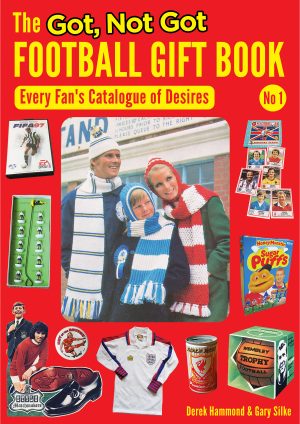
got-not-got-football-gift-book-cover-1500-oc9gmote7txnt6jvy49dsp1r98lzgdcp6vwtoqsbkg

So with Christmas (not Chrimbo… just… no) fast approaching, here’s a really decent stocking filler that I wasn’t aware of and was just listening to the authors on talkSPORT chatting about it.

It’s a book on football that’s packed with everything you could think of to do with the beautiful game. But in fact, if you closed your eyes and thought about that for half an hour, it’s possible you might have thought about only half the stuff that’s in this.

So, seeking reviews, I took to social media to begin with and found this:

THE GOT, NOT GOT FOOTBALL GIFT BOOK
Out now – with free set of football cards!


At long last, it’s the big new Got, Not Got book from Hammond & Silke. Based on your mum’s glossy mail-order catalogue from the good old 20th century, The Got, Not Got Football Gift Book is packed full of memories and memorabilia.


It’s a romp. A visual treat. A collector’s treasure trove. With jokes and social history and loads of stuff in sections – Toys & Games, Tech, Kit, Food & Drink, Cards & Stickers, Programmes… – that will inspire a heady vintage swirl of greed, envy and lust.


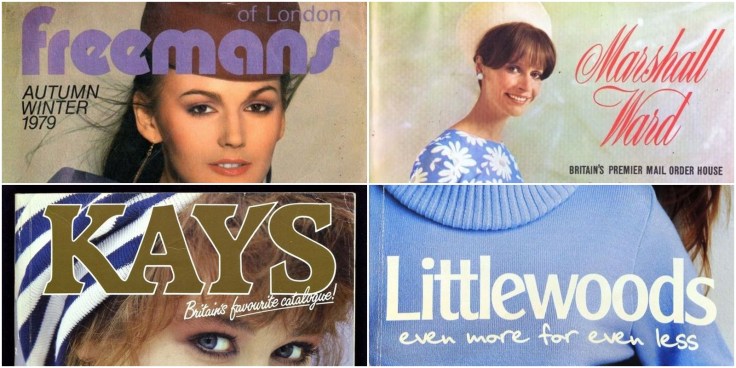
The Got, Not Got Football Gift Book is Hammond and Silke’s new vintage football catalogue, packed with tons of fab football stuff and delightful old rubbish from the good old 20th century. It’s a celebration of your mum’s old Kays/Grattans/John Noble flickfest, with sections including Kit, Tech, Food & Drink, Stickers, Clobber, Travel, Progs and more. A visual treat. A collector’s treasure trove. So get your felt pen out now and get ready to circle all your wants and needs! Plus – buy direct from Conker a get a free set of 9 (NINE) football cards


Do you remember the feeling you used to get, poring over the glossy pages of your mum’s mail-order catalogue, craving new football kit, cool games and hot tech? Now you can bask once again in that heady vintage swirl of greed, envy and lust. Don’t miss out on the flash white boots you always longed for. The Subbuteo teams of your dreams are finally within your grasp…


The Got, Not Got Football Gift Book is crammed with all the most desirable stuff of the past 50 years – not to mention a liberal sprinkling of delightful old rubbish that was once flogged to wide-eyed soccer kids. Seasoned with bittersweet stories from the lost world of football, its catalogue sections cover everything from must-have football fashions and classic console games to favourite sticker albums and comics.


Big and colourful, hilarious and hypnotic, the Gift Book provides a ready-made Christmas list for optimistic fans, triggering just the same heartfelt yearning as the irresistible Autumn/Winter catalogue of yore. Need! Need! Need!


THE GOT, NOT GOT FOOTBALL GIFT BOOK – Every Fan’s Catalogue of Desires
By Derek Hammond & Gary Silke
A4 Paperback – 168 pages – 30 September 2019

£16 with free set of nine football collector cards

Limited-edition ‘Glove Story’ book and keyring gift bundle

On sale from this Friday at midday – a special limited edition gift bundle complete with a new Glove Story keyring!


They only cost £2.50 extra to the £10 cover price of the book, and this will be donated to the Willow Foundation (see article below) along with the usual author royalties.


If you’re a fan of the Got, Not Got books, a follower of Rob Stokes and his incredible collection of goalie gloves and memorabilia, or maybe on the lookout for a special birthday present for the goalie in your life, you might like a special Glove Story gift package.

So this will be perfect for your 40+ child but in truth. suitable for all ages and while batteries aren’t included, could be a great read over the festive period.

Ebay

It’s Round And It’s White REVIEW


The Football Gift Book is a gem within the Got, Not Got range that loves to explore and reflect on the good old days of football merchandise in the 60s, 70s and 80s. It is this trip down memory lane, the opportunity to put on the rose-tinted spectacles and immerse yourself in footballing nostalgia, that captures the very essence of being a football fan.


The passion and genuine excitement that radiates from every page comes from the authors themselves. They write with expertise on all matters football, however obscure, but always in a witty and humorous style that makes for an informative yet highly enjoyable read.


The ‘catalogue’ starts with a bang, examining the almost endless list of toys associated with the world’s most famous football-related game, Subbuteo.  All the ‘big hitters’ are covered from Shoot Magazine through Panini stickers to the iconic computer game, Football Manager.


But it’s not just the household names that draw commentary. The obscure, rare, unusual and one-offs are all honourably mentioned, footballing merchandise that only the serious collector will remember. Some, such as the bobble hat and rosettes are now sadly extinct. The vast array of football memorabilia is mind-boggling and the Got, Not Got guys got it all.


The booK’s strength is its ability to connect with you on a personal level. When you turn the page and experience the joy of seeing that football gift you once held in your hand or had sat atop your bureau in the bedroom, it’s almost like thumbing through the family photo album. My magical moment happened on page 150 when I spotted my old Mitre Ultimax football staring back at me.


The whole book is an explosion of colour and vibrancy. It’s crammed full of pictures, a feast for the eyes. I challenge anybody to find a book with more photos of anything and everything to do with football. Everything is presented in a retro style as cool as the old club tracksuits featured in the tips and training chapter.


The Got, Not Got Football Gift Book is much more than a collection of images. It offers accompanying commentary with insight and thoughts that provide real context to every item pictured. There are features too, including a club-specific section, a look at the history and evolution of football merchandise and the author’s observations on a snapshot of a footballing scene of the day. These, in particular, are pure comedy gold.


Supplemented by contributions from football supporters, this adds extra value to the book, ensuring even the most obscure footballing commodity gets a mention. Its stuff you probably never knew existed or hadn’t seen in thirty years. A treasure trove that makes you realise the boom days in football stuff are now way behind us, outside of the replica shirts.


Maybe today’s game has become a bit dull off the pitch. Got, Not Got looks to plug that gap.


As I enter my mid-forties, the catalogue is perfect for me and by its nature would appeal to my generation and beyond. At the same time, it taps into a movement in the popularity of football nostalgia.


Let’s face it, anybody who likes football will enjoy thumbing through this book. You can peruse at your leisure. It’s a classic pick up and put down read. It’s time to revisit your lost childhood and indulge in a bit of escapism.

Book Of Dreams: Home shopping catalogue nostalgia

Remember the 80s? Things were simpler then. No really, they were. Happiness in the 80s was a ThunderCats bedspread, Hungry Hippos board game and, if you were lucky, a Sony Walkman or a Chopper.

raleigh-chopper-mk1-transparent-background-pink

Click on the Argos link below and you’ll reach a cleverly done image of an Argos catalogue where you can actually turn pages with a click.

ARGOS

article-2527105-1A37AD8A00000578-584_964x999

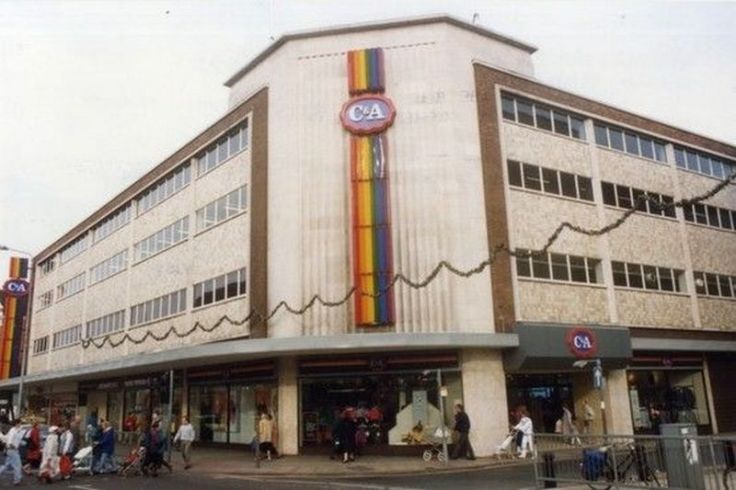
Argos was the go-to shopping wise pre the Toys’R’Us era while real-time shopping was a trip to Woolies (FW Woolworth and co). Personally speaking I really miss C&A. A day trip to Oxford Street was something you really looked forward to as a child. I remember coming back to Surrey with a jean suit, a jacket and trousers with the jacket having a gold eagle on the back. You’d have lunched in a Wimpy (probably) or if still hungry, stopped off at The Little Chef in Hindhead on the way home. Or Bramshott Chase to be more exact though like everything else, it’s no longer.

The Little Chef

Writing about these memories also brings into play the disturbing situation of the death of the high street. Bad enough when companies like C&A (and there’s more on them later on) decided to leave these shores but the advent of the hypermarket and then the internet with its online shopping option has meant that a lot of the household names have ceased to be, as dead as the parrot in that Python sketch.

Woolworths_Camberwell_-_2004_-_Exterior

Woolworths was great for Saturday morning pick’n’mix raids or tugging at a parent’s sleeve for a new football or board game. Or looking the through the out of chart singles rack to save money adding to your vinyl collection.

995ebc61070069c00f632be1f1c4e55d

Home shopping catalogues were immensely popular and a way of getting what you wanted for Christmas earlier, at a higher price obviously with the payment terms and plans.

mix 2

What inspired this post was reading a topic on Argos at AV Forums, an audio visual community of great standing. And seeing these quote from members:

quote 2

quote 1

Indeed. That Airfix glue got everywhere didn’t it.

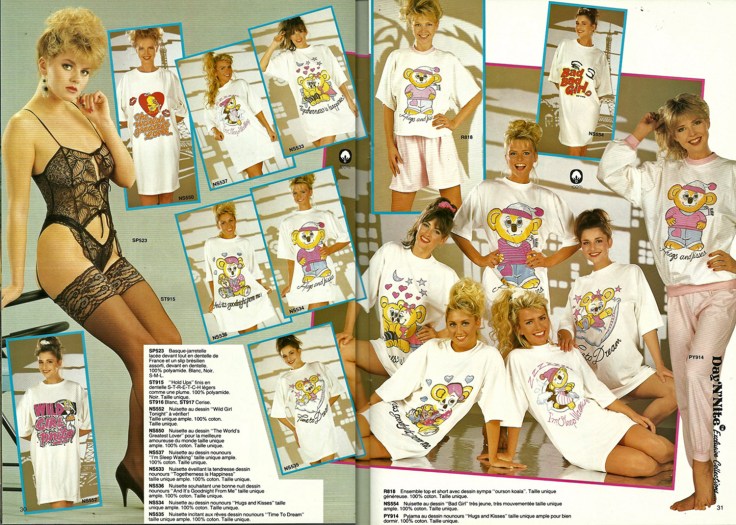
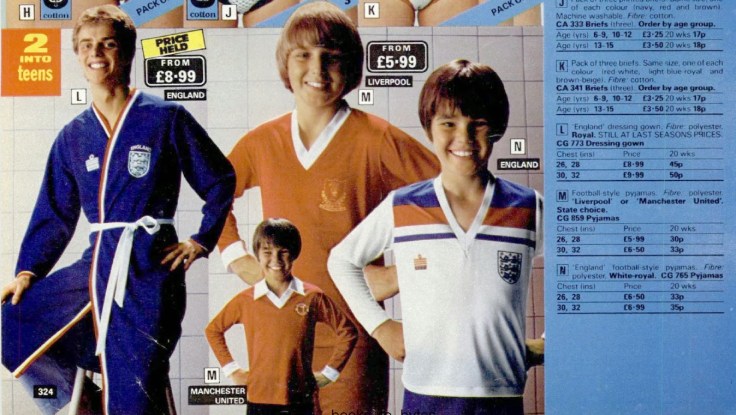
1980s-sleepwear-catalog

dv1980_f_095

Typical fodder for the 70s/80s preteen. Although the one above seems to be in Dutch or suchlike. Never mind, the Europeans were always a bit more liberal.

pyjamas-littlewoods-82

We can certainly laugh and even mock at seventies fashion with its tank tops, flared trousers and Y-fronts but at least the toys were somewhat inspirational with the likes of Subbuteo (discussed at length elsewhere on this blog) and Scalextric at the forefront of living room entertainment.

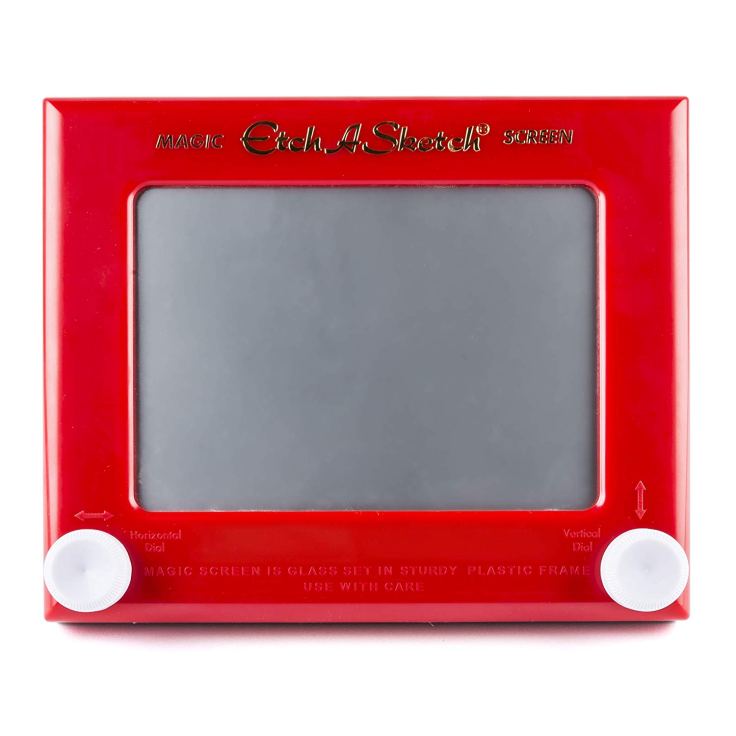
Toys of course were a different ball game to today’s Nintendo Switches and virtual reality options. But the computer revolution did see some early forms of electronic art. Here’s the first tablet I ever had.

71kE7MyFSXL._SL1500_


Families in those days actually ate meals sitting round a table in contrast to these days when parents send their offsprings up to their room with their turkey twizzlers on a tray.

Post-dinner board games like Buckaroo, Kerplunk! and Mouse Trap were hugely popular while if you wanted to go solo, I always found Mastermind with those coloured pegs helped to pass a few hours.

mix

Then our music was taped off the radio. Always beat me how it was apparently illegal to record the top forty yet everywhere sold you blank tapes in order to do it!

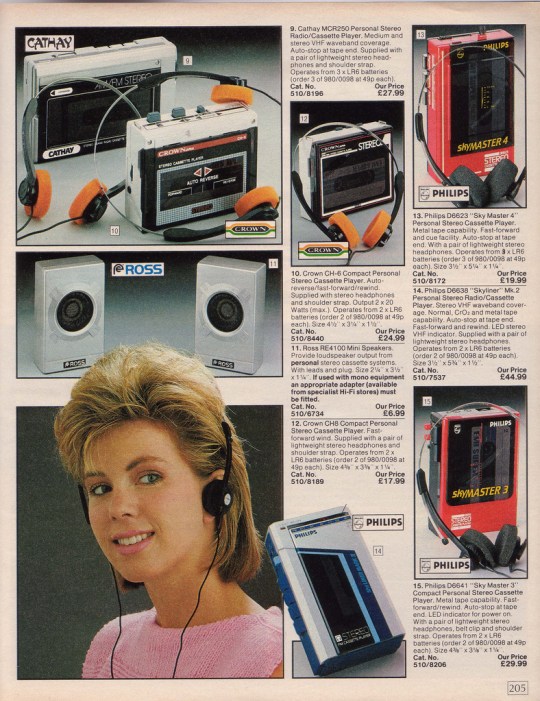
Cassette tapes came into being as a listening option in the eighties where Walkmans were in almost everyone’s possession pre the CD version.

walkmans

But while we can reminisce and enthuse about eighties toys and games, we have to accept that in such a relatively short space of time, the whole shopping culture has seen a seismic shift in both how we buy and where we buy it. Sad but true.

And the story of C&A? Until I researched this, I had no idea that they were European in the first place.

6bb3a1b4fd023d2b1d88be44dce528f5

In 1841, the two serious-minded brothers, still only in their early 20s and armed with a loan from their father, founded their own linen and cotton fabric business – C&A Brenninkmeijer – in the town of Sneek. Living above the stockroom, they served the local community, carrying their quality wares from farm to farm. Hardworking and principled, the young men earned reputations as trustworthy and reliable. Needing to establish a retail location in town, the first store was opened in 1860 – marking the beginning of C&A as we now know it. The rest, as they say, is history.

The advent of the sewing machine brought with it an era of ready-to-wear clothes, and C&A soon offered these in a range of different sizes. This concept proved extremely popular with customers. By the start of the 20th Century, the foundations had been laid for C&A to play a major role in making the latest fashions accessible and affordable.

csm_cunda_flagship_prag_logo_a35fb5df4d

The working and growing middle classes were demanding more choice and, using new production techniques and taking only a small profit per piece, C&A was able to offer ready-made fashion to a much larger proportion of the population who, until then, had not been able to afford it.

Innovation was relentless, and the company pioneered the use of advertising and introduced the customer-friendly ability to return goods. Even though the margins were small, volumes were high and profits were reinvested into the business, allowing it to grow.

It wasn’t long before the creative formula that was democratizing fashion in Holland started working just as well in Germany. A grand C&A store was opened on Berlin’s Alexanderplatz in 1911, launching C&A Germany in the process.

csm_cunda_instore_sweaters_brands_6feb1e7206

Creativity remained important and customers saw the introduction of innovations such as self-service, mechanical cash registers, escalators and all manner of modern convenience. And of course, always the greatest choice of fashion at unbeatable value.

The path of progress hasn’t always been smooth, however, and the company has faced many challenges over the years. After the Second World War, for instance, the focus was on rebuilding the business, which in Germany had been largely destroyed. Thankfully the post-war economic growth meant that recovery was swift, and building on its heritage of ingenuity, creativity and passion, C&A was able to grow to become one of Germany’s largest retailers.

csm_heritage_pastel_women_predominate_e13a94cfee

A new store opened in nearby Leeuwarden in 1881, then another in Amsterdam in 1893. A second shop in Amsterdam followed in 1896.

By this point Clemens and August had passed the business on to the next generation, who now contributed their own entrepreneurial ideas, selling ready-made ladies’ coats at the cost of a worker’s average weekly wage. This may sound expensive today, but it was only a third of the price of the cheapest coat then sold by other shops.

csm_cunda_cinema_advertising_53319b81a7

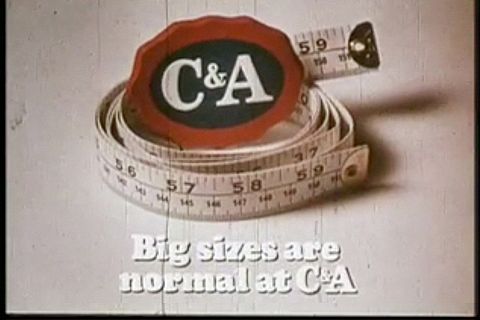
Very good. C&A addressing options for the fuller figure. And while we miss the likes of C&A and Woolworths, I didn’t want to close without giving a nod to a couple of other memorable retro concerns…

tn_SupaSnapS_Sketchley_2

These days its too easy to capture that moment by whipping out a smartphone from your pocket. Back in the eighties if you had a camera, you’d have to send the film away to someone like Supasnaps for your photos to be processed. Then they’d be sent back to you in one of these…

af059467b16d87540a5f1483cd29f368

Heaven knows how you paid for them, maybe a postal order or cheque… certainly no PayPal available.

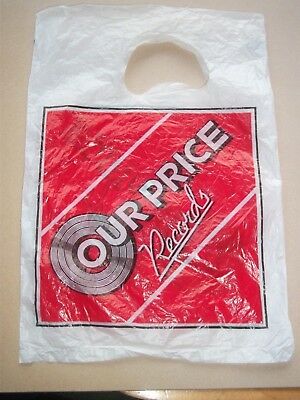
And Our Price.

Vintage-Our-Price-Records-7-Single-Record-Carrier

Because while there was always HMV and independent record shops, that Our Price carrier bag and the store itself was a haven for vinyl both popular and independent (what we called indie or underground in those days of white label promos) so… yeah, Our Price!

brixton-our-price-record-shop-01

The 70s and 80s were very different and were an amazing time because we had to make do with very basic entertainment.

And tell that to kids today and they won’t believe you.


John Peel

p01bqgyr

John Robert Parker Ravenscroft, OBE (30 August 1939 – 25 October 2004), known professionally as John Peel, was an English disc jockey, radio presenter, record producer and journalist. He was the longest serving of the original BBC Radio 1 DJs, broadcasting regularly from 1967 until his death in 2004.

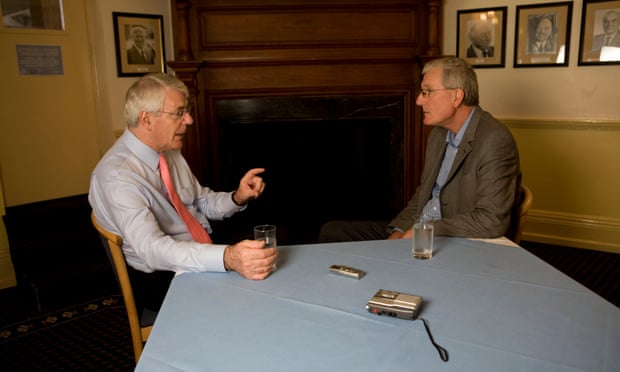
John Peel was like the father I never had. His radio shows at 10pm from Monday to Friday on Radio 1 didn’t just keep you awake – they educated you.

Only Peel could play records the wrong side or at the wrong speed and then brilliantly dig himself out of a hole like he did – spectacularly.

And how many teenagers (and perhaps folk way more advanced in years than that) invented their own festive fifties?

Legend and national treasure, John would have turned eighty today had it not been for his untimely passing in 2004.

Keepingitpeel on Twitter are having quite a day of Peel celebration and memories and I wanted to include bits of that in this tribute with this Guardian review of his autobiography.

Unfinished sympathy

John Peel’s wife Sheila Ravenscroft completed Margrave of the Marshes after he died – and has produced an immensely compelling portrait, says Simon Garfield

Margrave of the Marshes
by John Peel and Sheila Ravenscroft
Bantam Press £18.99

Margrave of the Marshes by John Peel

Almost a year ago, John Peel’s memorial service seized up a town. The bewildered police in Bury St Edmunds had expected hundreds of people, not thousands, and the cathedral was full more than an hour before his family arrived with the coffin. Those of us left outside in the drizzle who believed they had left home in plenty of time were forced to reflect that perhaps John had not been talking to us alone after all.

As the funeral progressed, the Radio 1 website filled with the sort of emotion not usually evident when an important British broadcaster passes away. People who had never met him wrote of how much he meant to them, and how he got them through a difficult period in their lives. Many messages had an intensity that would have driven Peel to helpless tears. It was difficult to explain precisely what had caused this outpouring – something that continues this month with many anniversary tributes. But it was clear that it wasn’t just about playing challenging records late at night or revealing complicated domestic situations on Saturday mornings. It may just be that he achieved effortlessly from the start what most presenters never achieve in their entire careers: a personal relationship with the listener that made us believe we were hearing from a friend.

His autobiography was well under way by the time he died of a heart attack in Peru at the age of 65, but his life and his account of it was so full of diversions that he had not yet reached the point where he had spun a record on air. In fact, he had only just lost his virginity. Peel would thus have referred to this book as a game of two halves: his own story of his school days and national service followed by his wife Sheila’s report of his subsequent career and family life. Each section has its own pleasures and limitations, but jointly they may have created a publishing first: the patient and analyst in one immensely compelling volume.

Longstanding readers of this newspaper’s review pages will remember Peel as an original and humorous writer, but may be surprised at how well he had grasped this longer form. The narrative is chronological, but it is informed by more recent asides; his teenage traumas, for example, are followed by tales of the middle-aged female fan who was convinced the famous Peel lived in a commune in Baker Street with Lou Reed and Stevie Wonder (Peel played along with this, informing her how he dreaded the weeks when it was Stevie’s turn to cook). In other words, we do get glimpses of his wonderful future career to redeem the tales of masturbation, bullying and all-round teenage desolation.

There was not much warmth in his Cheshire childhood home, certainly not from his parents. Peel was born a few days before the outbreak of the Second World War, and he didn’t see his father until it was over. He remained a distant figure on his return, and his son recalls his fondness for regular bowel movements and his dislike of hugging. His mother is described vividly in terms of her fondness for the solitary consumption of romantic fiction and wearing embarrassing outfits whenever in the presence of his schoolfriends. His parents divorced when John was in his teens, and much later his mother hooked up with the actor Sebastian Shaw, who played Darth Vader in Return of the Jedi.

His mother regularly administered domestic beatings when John was perceived to have erred, something that stood him in good stead when he became a boarder at Shrewsbury. Peel, still known then as John Ravenscroft, was not the academic type, and his school reports display nothing but despair. Yet he was a handsome youth and his study monitors found him irresistible. His account of servicing these boys and being buggered by one of them in a cemetery toilet has already made headlines, although he writes about it with more of a shrug than a howl, as if he was reading a favourite dismal lyric by the Smiths. Indeed, with a couple of exceptions, most of his writing has a soft, forgiving tone: he even finds an agreeable side to Tony Blackburn and Chris Moyles; the worst he can say about pop stars is that Sting is ‘tiresome’.

After boarding school, national service held few horrors. Peel’s half of the book ends in the United States, but it is clear his heart isn’t in his insurance job. His time is split fairly evenly between meeting John Kennedy and Nixon on the campaign trail, seeing a stripper called Chris Colt, The Girl with the 45s, and pursuing his burgeoning taste for obscure rock’n’roll and blues.

His flash-forwards contain anecdotes he has told so many times that he is almost apologetic about recounting them again, although they all bear publication. We get the first time he heard Elvis, on Two-Way Family Favourites, the fanaticism for Liverpool FC that led to the middle-naming of his children Anfield, Anfield, Shankly and Dalglish, and the Bay City Rollers gig at which Tony Blackburn was escorted across a lake by a Womble (‘Look on this and marvel,’ Peel murmured to Johnnie Walker at the time).

It is left to his wife and children to take the story on, and explain the reason for the crowds at the funeral. It is the closest thing to a 200-page love letter that we may read this year, but its subject would have been appalled if his faultlines weren’t also on display. His huge influence on the musical tastes of two generations is handled well, but it’s the disclosure of his great sensitivity and private doubts that provides the most rewarding insight. Domestic life in Suffolk was chronicled by Peel on Home Truths on Radio 4 (often in a little too much detail for his children), but there were only hints that he considered himself an inadequate father. Sheila writes of his distress at being absent so much when his children were young, to the point that he confused their names; he regarded even 10 minutes’ quality time with them each day as an impossible goal. And then there were his unpredictable and occasionally raging moods that would send his children scurrying for shelter.

The second half draws heavily on Peel’s diary entries and published writing, and there are some wonderful and woeful surprises, not least his soft spot for Status Quo and the details of his disastrous first marriage to an underage girl in America. It was intriguing to discover how often Sheila’s own reminiscences are framed with a similar phraseology to her husband’s (she writes of the ‘dimly lit corners of the internet’ where there are sites dedicated to his on-air gaffes). The title of the book is the title Peel jokingly conferred on himself in his grander moments at home; a possible alternative was If He Ever Hits Puberty, an expression his Radio 1 producer John Walters used to employ with regularity (‘If John ever hits puberty, we’ll both be in trouble … ‘).

The book ends, bravely I think, with lists of events Peel sent to his literary agent for possible inclusion in an autobiography before a deal was signed: ‘Terror at attending Desert Island Discs anniversary do in ill-fitting suit … an exhibition of awful Japanese paintings with Samantha Fox and Shirley Williams for Gloria Hunniford on TV … anecdotes (unflattering) about visits to Peel Acres by Sue Cook (who broke our electric blanket) and Bob Geldof.’ All of which would have made this a longer, increasingly eccentric but probably no more delightful book.


Blog at WordPress.com.

Up ↑