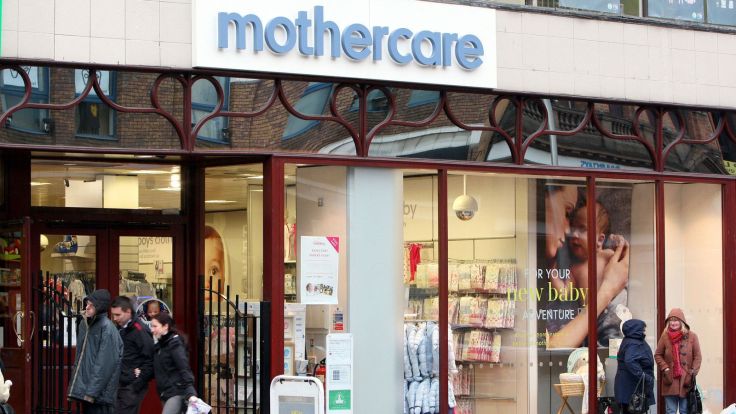
I hadn’t really noticed them missing from the High Street. Well, not much. But then I’d have no reason now to shop in such an outlet. However, Mothercare is another big name soon to be removed from all British thoroughfares with 2,500 store jobs at risk.
For many parents, Mothercare inspires warm memories of buying baby clothes or shopping for their first pram.
But cold, hard reality has finally caught up with the retailer and it has announced plans to put its UK business into administration.
PricewaterhouseCoopers was appointed to handle the collapse of the business on Tuesday, placing 2,500 store jobs at risk and a few hundred more in its support functions and head office. The retailer’s international operations are not affected.
Mothercare chairman Clive Whiley said that – despite changes made over the last 18 months contributing to a reduction in net debt – “Mothercare UK continues to consume cash on an unsustainable basis”.
He added: “It is with deep regret and sadness that we have been unable to avoid the administration of Mothercare UK and Mothercare Business Services, and we fully understand the significant impact on those UK colleagues and business partners who are affected.”
The company said that the administration process would provide “a sustainable future for the company, including the wider group’s global colleagues, its pension fund, lenders and other stakeholders”.
Mr Whiley added in a statement that the existence of the wider Mothercare group would have been under threat if the UK business had not called in administrators.
Like many struggling retailers, Mothercare has found itself squeezed by the big UK supermarkets, fast fashion brands and the internet.
While it continues to have success overseas – its international business in countries such as India, Indonesia and Russia is not subject to administration – the UK is different.
“The burgeoning middle classes in places like India still seem to trust the Mothercare brand,” says retailing consultant Nick Bubb. “But in the UK, the middle class parents are quite happy to save money by buying baby products and kidswear through Amazon or at the supermarkets.”
All the big supermarkets have clothing ranges for babies and children, such as Tesco’s F&F and Sainsbury’s Tu.
And because of their size, supermarkets can be nimble both on pricing and updating their ranges, says Richard Lim, chief executive at Retail Economics.
Meanwhile, fast fashion retailers such as Zara and H&M offer on-trend children’s clothing at low prices.
One of the problems, says Mr Lim, is that Mothercare failed to differentiate itself from rivals as a specialist retailer.
“It is all about creating a meaningful experience,” he says. “For expectant parents, they don’t know how much things are going to cost and what to buy [but] Mothercare didn’t provide an environment where they were supported.
“Parents didn’t have a strong enough reason to go and visit Mothercare.”
The online problem
Mothercare’s online business was – for a time – heading in the right direction.
Under chief executive Mark Newton-Jones, UK online sales grew to hit £171.9m in the year to March 2017 before heading back downwards.
Shopping online at Mothercare has proved to be challenging for Northern Ireland mum Mary Lane (pictured).
Her closest store, in Londonderry, has already shut down which means the mum of one, who is expecting her second child, is doing more shopping online.
Unfortunately, she says she had “major difficulties with the online structure of Mothercare due to the geoblocking that automatically sent us to the Irish website rather than the UK site. Also I wasn’t able to send links of items to my in-laws in England when they asked for gift suggestions.”
While she says she is sad the local store is gone, it is not surprising “since they were not prepared to adapt to customer needs and purchasing trends”.
‘A downward spiral’
Nearly a decade ago, Mothercare had 353 stores in the UK and 969 overseas.
As its UK business has continued to struggle, it has had to close more and more shops to the point where it only has 79 left in Britain.
Although Mothercare has been focused on reducing losses and debts, Mr Bubb thinks the continual closures may have actually damaged the business.
“Cost-cutting alone is never the answer to a struggling business, as it just demotivates staff and hurts customer service and can cause a downward spiral,” he says.
Mothercare’s decision to put the UK business into administration before the key Christmas season shows just how bad things have got for the brand, Mr Bubb says. The move came despite the retailer having agreed a company voluntary arrangement (CVA) with its creditors last year which allowed it to close shops and reduce the rent on other sites.
He says: “The fact that the UK business has gone into administration in early November, without even waiting for the Christmas cash to go through the tills, shows how bad things must be.
“And the fact that the CVA last year slashed store rents and that still wasn’t enough to stem the losses shows how poor trading must be, in such a competitive market.”
Even Mothercare’s chief executive Mark Newton-Jones admitted that a 8.9% fall in like-for-like UK sales for the year to March had been “exacerbated in the first half by reduced consumer confidence in the brand following the group’s refinancing”.
Too many changes at the top
Between 2002 and 2011, Mothercare had the same chief executive, Ben Gordon.
That was until poor performance in the UK business and a series of profit warnings ushered him out the door.
Since then, the company has been led by three different people, one of whom was ousted only to be rehired weeks later.
It has meant that no sooner has one chief executive implemented a turnaround plan than their successor has changed it.
Under Simon Calver, the former boss of defunct postal DVD service Lovefilm, Mothercare pared back its UK shops and introduced in-store cafes and “mumspace” for activities such as yoga.
Just two years later in 2014, he was replaced by Mr Newton-Jones, who swiftly began closing down the yoga studios.
Mr Newton-Jones was briefly ousted early last year by chairman Alan Parker and David Wood, the former boss of US retailer Kmart, who was named as his replacement.
But weeks later Mr Parker was out, Mr Newton-Jones returned and Clive Whiley was named as chairman.
“It is quite extraordinary to have a set of circumstances where the chief executive leaves and then six weeks later, he’s asked to come back,” says Mr Lim. “It shows a lack of leadership.”
In the title I mentioned a musical spin-off to the Mothercare story and it’s this.
Mothercare founder Selim Zilkha had a son, Michael, who in the late 70s moved to NYC where he co-founded ZE Records with French Record producer Michel Esteban who was also new in town.
An early ZE release was by Estaban’s former business partner and girlfriend Lizzy Mercier-Descloux’s duo Rosa Yemen who made skeletal no-wave inspired post punk. It didn’t quite reflect the label’s direction but the NY taxi cab label was already in place
Kid Creole & The Coconuts should need no introduction. Wedding discos across the world would be deprived of such degenerate madness if it wasn’t for Zilkha’s dad’s nappies funding such things.
Godfathers of no-wave, Suicide released their 2nd studio LP on ZE in 1980.
And let’s not forget A Christmas Record also featured one of the all time greatest Christmas song by The Waitresses. Again, no nappies, no Christmas Wrapping. A different world it would be.
So with Christmas (not Chrimbo… just… no) fast approaching, here’s a really decent stocking filler that I wasn’t aware of and was just listening to the authors on talkSPORT chatting about it.
It’s a book on football that’s packed with everything you could think of to do with the beautiful game. But in fact, if you closed your eyes and thought about that for half an hour, it’s possible you might have thought about only half the stuff that’s in this.
So, seeking reviews, I took to social media to begin with and found this:
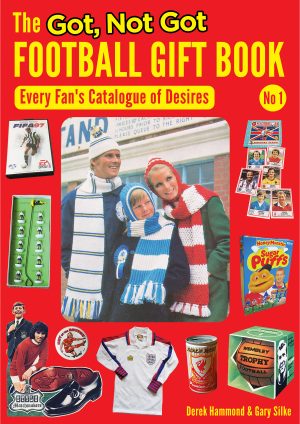
THE GOT, NOT GOT FOOTBALL GIFT BOOK
Out now – with free set of football cards!
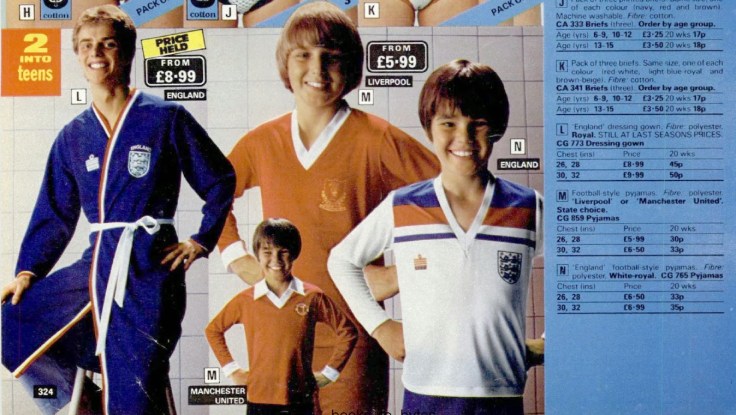
At long last, it’s the big new Got, Not Got book from Hammond & Silke. Based on your mum’s glossy mail-order catalogue from the good old 20th century, The Got, Not Got Football Gift Book is packed full of memories and memorabilia.
It’s a romp. A visual treat. A collector’s treasure trove. With jokes and social history and loads of stuffin sections – Toys & Games, Tech, Kit, Food & Drink, Cards & Stickers, Programmes… – that will inspire a heady vintage swirl of greed, envy and lust.
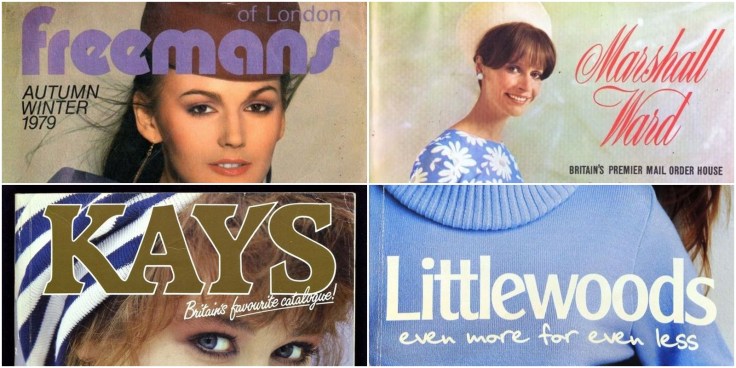
The Got, Not Got Football Gift Book is Hammond and Silke’s new vintage football catalogue, packed with tons of fab football stuff and delightful old rubbish from the good old 20th century. It’s a celebration of your mum’s old Kays/Grattans/John Noble flickfest, with sections including Kit, Tech, Food & Drink, Stickers, Clobber, Travel, Progs and more. A visual treat. A collector’s treasure trove. So get your felt pen out now and get ready to circle all your wants and needs! Plus – buy direct from Conker a get a free set of 9 (NINE) football cards
Do you remember the feeling you used to get, poring over the glossy pages of your mum’s mail-order catalogue, craving new football kit, cool games and hot tech? Now you can bask once again in that heady vintage swirl of greed, envy and lust. Don’t miss out on the flash white boots you always longed for. The Subbuteo teams of your dreams are finally within your grasp…
The Got, Not Got Football Gift Book is crammed with all the most desirable stuff of the past 50 years – not to mention a liberal sprinkling of delightful old rubbish that was once flogged to wide-eyed soccer kids. Seasoned with bittersweet stories from the lost world of football, its catalogue sections cover everything from must-have football fashions and classic console games to favourite sticker albums and comics.
Big and colourful, hilarious and hypnotic, the Gift Book provides a ready-made Christmas list for optimistic fans, triggering just the same heartfelt yearning as the irresistible Autumn/Winter catalogue of yore. Need! Need! Need!
THE GOT, NOT GOT FOOTBALL GIFT BOOK – Every Fan’s Catalogue of Desires
By Derek Hammond & Gary Silke
A4 Paperback – 168 pages – 30 September 2019 £16 with free set of nine football collector cards
On sale from this Friday at midday – a special limited edition gift bundle complete with a new Glove Story keyring!
They only cost £2.50 extra to the £10 cover price of the book, and this will be donated to the Willow Foundation (see article below) along with the usual author royalties.
If you’re a fan of the Got, Not Got books, a follower of Rob Stokes and his incredible collection of goalie gloves and memorabilia, or maybe on the lookout for a special birthday present for the goalie in your life, you might like a special Glove Story gift package.
So this will be perfect for your 40+ child but in truth. suitable for all ages and while batteries aren’t included, could be a great read over the festive period.
The Football Gift Book is a gem within the Got, Not Got range that loves to explore and reflect on the good old days of football merchandise in the 60s, 70s and 80s. It is this trip down memory lane, the opportunity to put on the rose-tinted spectacles and immerse yourself in footballing nostalgia, that captures the very essence of being a football fan.
The passion and genuine excitement that radiates from every page comes from the authors themselves. They write with expertise on all matters football, however obscure, but always in a witty and humorous style that makes for an informative yet highly enjoyable read.
The ‘catalogue’ starts with a bang, examining the almost endless list of toys associated with the world’s most famous football-related game, Subbuteo. All the ‘big hitters’ are covered from Shoot Magazine through Panini stickers to the iconic computer game, Football Manager.
But it’s not just the household names that draw commentary. The obscure, rare, unusual and one-offs are all honourably mentioned, footballing merchandise that only the serious collector will remember. Some, such as the bobble hat and rosettes are now sadly extinct. The vast array of football memorabilia is mind-boggling and the Got, Not Got guys got it all.
The booK’s strength is its ability to connect with you on a personal level. When you turn the page and experience the joy of seeing that football gift you once held in your hand or had sat atop your bureau in the bedroom, it’s almost like thumbing through the family photo album. My magical moment happened on page 150 when I spotted my old Mitre Ultimax football staring back at me.
The whole book is an explosion of colour and vibrancy. It’s crammed full of pictures, a feast for the eyes. I challenge anybody to find a book with more photos of anything and everything to do with football. Everything is presented in a retro style as cool as the old club tracksuits featured in the tips and training chapter.
The Got, Not Got Football Gift Book is much more than a collection of images. It offers accompanying commentary with insight and thoughts that provide real context to every item pictured. There are features too, including a club-specific section, a look at the history and evolution of football merchandise and the author’s observations on a snapshot of a footballing scene of the day. These, in particular, are pure comedy gold.
Supplemented by contributions from football supporters, this adds extra value to the book, ensuring even the most obscure footballing commodity gets a mention. Its stuff you probably never knew existed or hadn’t seen in thirty years. A treasure trove that makes you realise the boom days in football stuff are now way behind us, outside of the replica shirts.
Maybe today’s game has become a bit dull off the pitch. Got, Not Got looks to plug that gap.
As I enter my mid-forties, the catalogue is perfect for me and by its nature would appeal to my generation and beyond. At the same time, it taps into a movement in the popularity of football nostalgia.
Let’s face it, anybody who likes football will enjoy thumbing through this book. You can peruse at your leisure. It’s a classic pick up and put down read. It’s time to revisit your lost childhood and indulge in a bit of escapism.
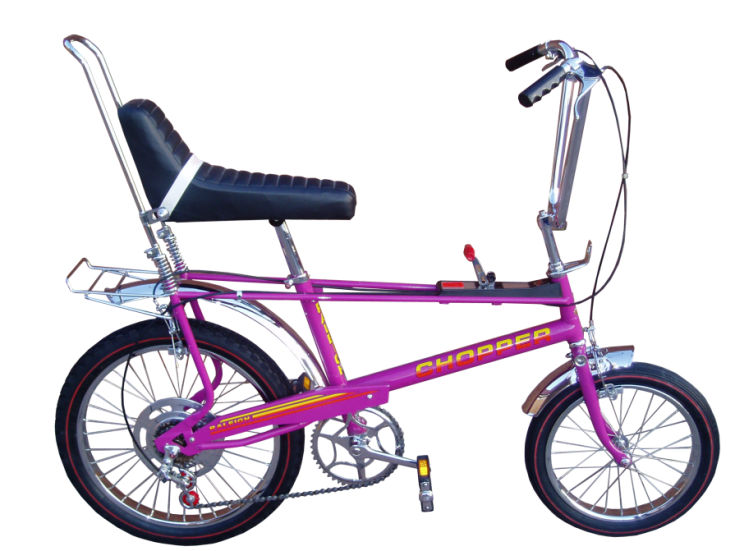
Remember the 80s? Things were simpler then. No really, they were. Happiness in the 80s was a ThunderCats bedspread, Hungry Hippos board game and, if you were lucky, a Sony Walkman or a Chopper.
Click on the Argos link below and you’ll reach a cleverly done image of an Argos catalogue where you can actually turn pages with a click.
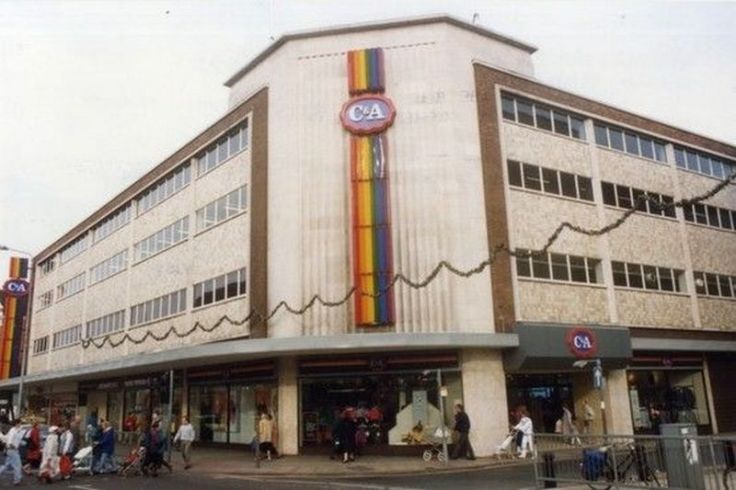
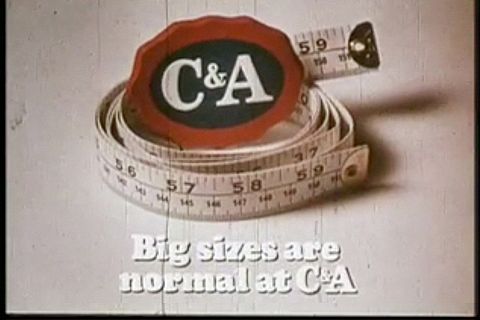
Argos was the go-to shopping wise pre the Toys’R’Us era while real-time shopping was a trip to Woolies (FW Woolworth and co). Personally speaking I really miss C&A. A day trip to Oxford Street was something you really looked forward to as a child. I remember coming back to Surrey with a jean suit, a jacket and trousers with the jacket having a gold eagle on the back. You’d have lunched in a Wimpy (probably) or if still hungry, stopped off at The Little Chef in Hindhead on the way home. Or Bramshott Chase to be more exact though like everything else, it’s no longer.
Writing about these memories also brings into play the disturbing situation of the death of the high street. Bad enough when companies like C&A (and there’s more on them later on) decided to leave these shores but the advent of the hypermarket and then the internet with its online shopping option has meant that a lot of the household names have ceased to be, as dead as the parrot in that Python sketch.
Woolworths was great for Saturday morning pick’n’mix raids or tugging at a parent’s sleeve for a new football or board game. Or looking the through the out of chart singles rack to save money adding to your vinyl collection.
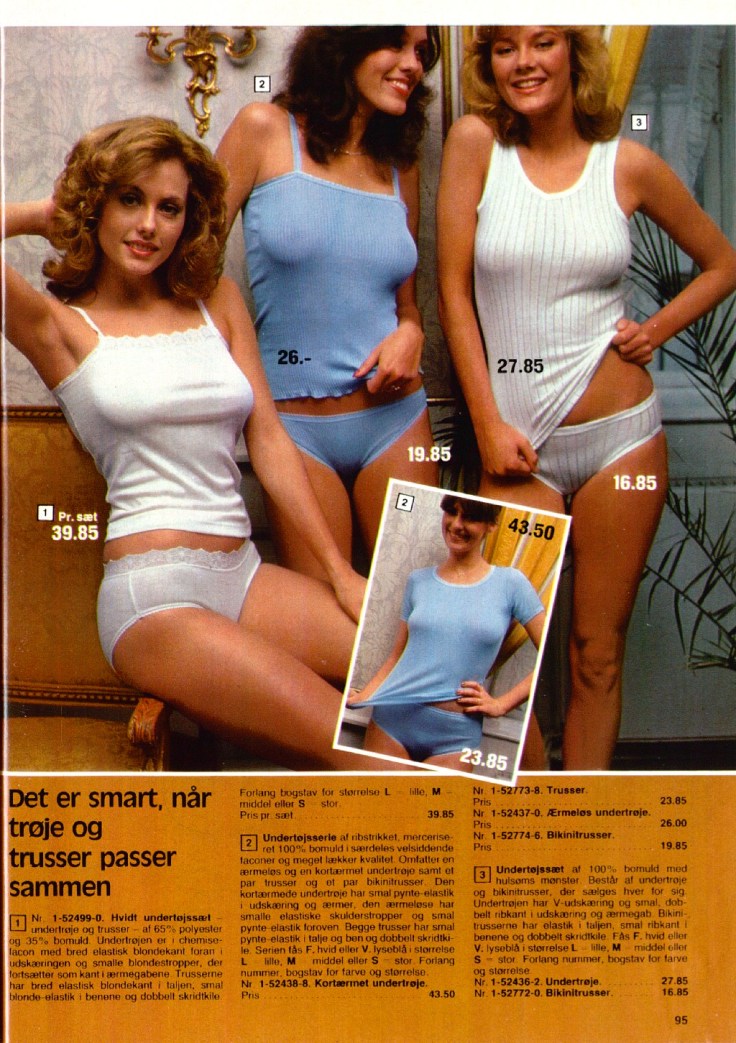
Home shopping catalogues were immensely popular and a way of getting what you wanted for Christmas earlier, at a higher price obviously with the payment terms and plans.
What inspired this post was reading a topic on Argos at AV Forums, an audio visual community of great standing. And seeing these quote from members:
Indeed. That Airfix glue got everywhere didn’t it.
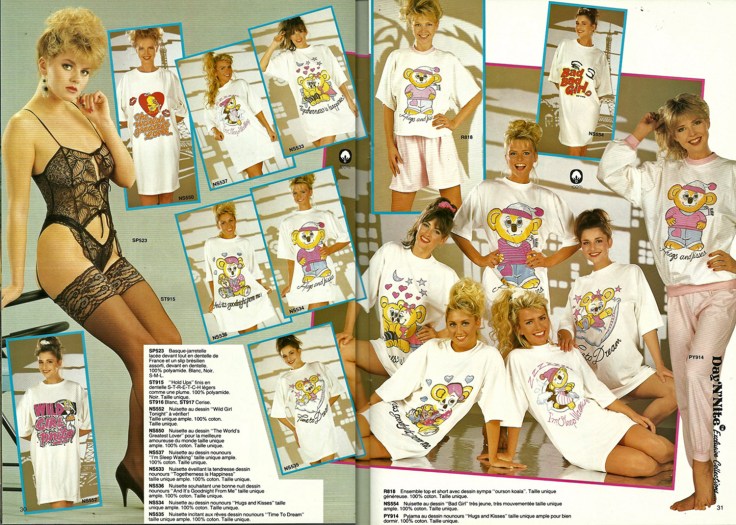
Typical fodder for the 70s/80s preteen. Although the one above seems to be in Dutch or suchlike. Never mind, the Europeans were always a bit more liberal.
We can certainly laugh and even mock at seventies fashion with its tank tops, flared trousers and Y-fronts but at least the toys were somewhat inspirational with the likes of Subbuteo (discussed at length elsewhere on this blog) and Scalextric at the forefront of living room entertainment.
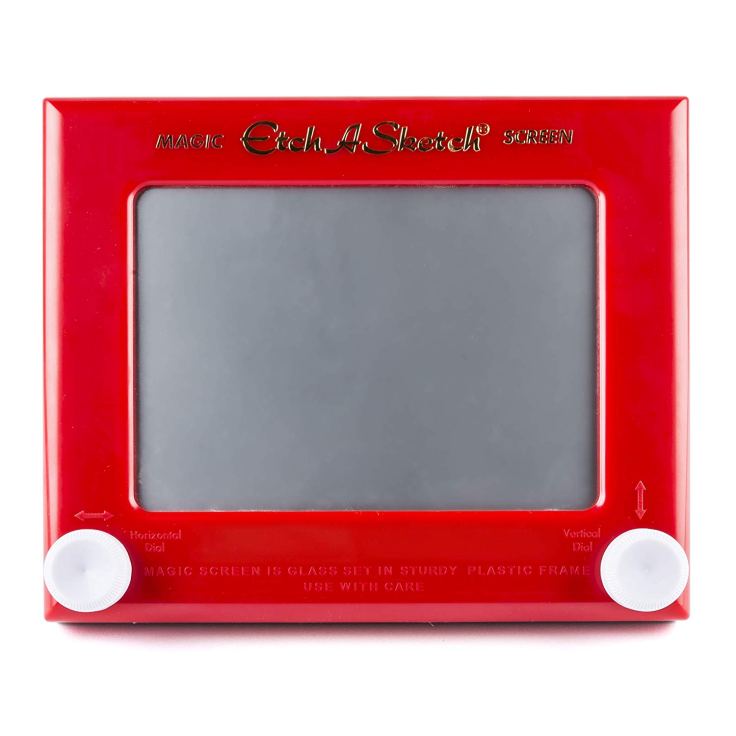
Toys of course were a different ball game to today’s Nintendo Switches and virtual reality options. But the computer revolution did see some early forms of electronic art. Here’s the first tablet I ever had.
Families in those days actually ate meals sitting round a table in contrast to these days when parents send their offsprings up to their room with their turkey twizzlers on a tray.
Post-dinner board games like Buckaroo, Kerplunk! and Mouse Trap were hugely popular while if you wanted to go solo, I always found Mastermind with those coloured pegs helped to pass a few hours.
Then our music was taped off the radio. Always beat me how it was apparently illegal to record the top forty yet everywhere sold you blank tapes in order to do it!
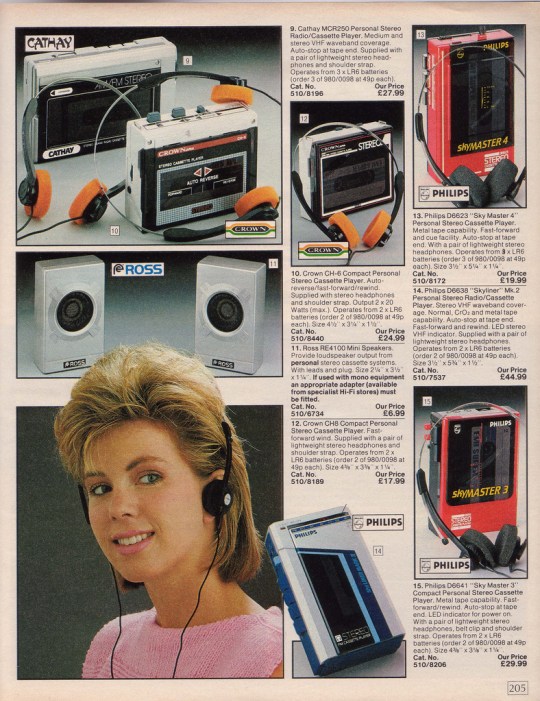
Cassette tapes came into being as a listening option in the eighties where Walkmans were in almost everyone’s possession pre the CD version.
But while we can reminisce and enthuse about eighties toys and games, we have to accept that in such a relatively short space of time, the whole shopping culture has seen a seismic shift in both how we buy and where we buy it. Sad but true.
And the story of C&A? Until I researched this, I had no idea that they were European in the first place.
In 1841, the two serious-minded brothers, still only in their early 20s and armed with a loan from their father, founded their own linen and cotton fabric business – C&A Brenninkmeijer – in the town of Sneek. Living above the stockroom, they served the local community, carrying their quality wares from farm to farm. Hardworking and principled, the young men earned reputations as trustworthy and reliable. Needing to establish a retail location in town, the first store was opened in 1860 – marking the beginning of C&A as we now know it. The rest, as they say, is history.
The advent of the sewing machine brought with it an era of ready-to-wear clothes, and C&A soon offered these in a range of different sizes. This concept proved extremely popular with customers. By the start of the 20th Century, the foundations had been laid for C&A to play a major role in making the latest fashions accessible and affordable.
The working and growing middle classes were demanding more choice and, using new production techniques and taking only a small profit per piece, C&A was able to offer ready-made fashion to a much larger proportion of the population who, until then, had not been able to afford it.
Innovation was relentless, and the company pioneered the use of advertising and introduced the customer-friendly ability to return goods. Even though the margins were small, volumes were high and profits were reinvested into the business, allowing it to grow.
It wasn’t long before the creative formula that was democratizing fashion in Holland started working just as well in Germany. A grand C&A store was opened on Berlin’s Alexanderplatz in 1911, launching C&A Germany in the process.
Creativity remained important and customers saw the introduction of innovations such as self-service, mechanical cash registers, escalators and all manner of modern convenience. And of course, always the greatest choice of fashion at unbeatable value.
The path of progress hasn’t always been smooth, however, and the company has faced many challenges over the years. After the Second World War, for instance, the focus was on rebuilding the business, which in Germany had been largely destroyed. Thankfully the post-war economic growth meant that recovery was swift, and building on its heritage of ingenuity, creativity and passion, C&A was able to grow to become one of Germany’s largest retailers.
A new store opened in nearby Leeuwarden in 1881, then another in Amsterdam in 1893. A second shop in Amsterdam followed in 1896.
By this point Clemens and August had passed the business on to the next generation, who now contributed their own entrepreneurial ideas, selling ready-made ladies’ coats at the cost of a worker’s average weekly wage. This may sound expensive today, but it was only a third of the price of the cheapest coat then sold by other shops.
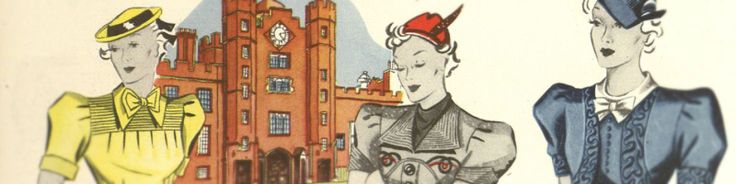
Very good. C&A addressing options for the fuller figure. And while we miss the likes of C&A and Woolworths, I didn’t want to close without giving a nod to a couple of other memorable retro concerns…
These days its too easy to capture that moment by whipping out a smartphone from your pocket. Back in the eighties if you had a camera, you’d have to send the film away to someone like Supasnaps for your photos to be processed. Then they’d be sent back to you in one of these…
Heaven knows how you paid for them, maybe a postal order or cheque… certainly no PayPal available.
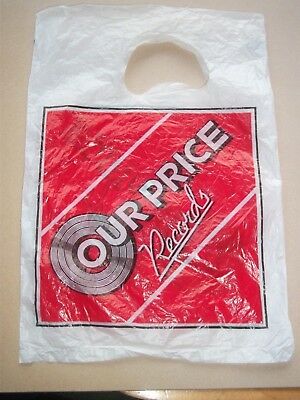
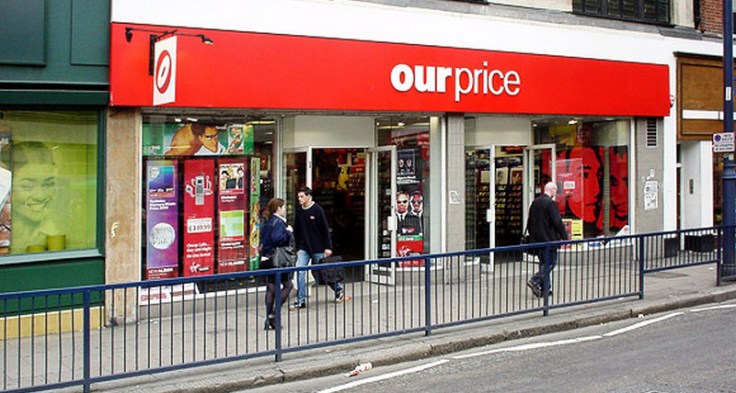
And Our Price.
Because while there was always HMV and independent record shops, that Our Price carrier bag and the store itself was a haven for vinyl both popular and independent (what we called indie or underground in those days of white label promos) so… yeah, Our Price!
The 70s and 80s were very different and were an amazing time because we had to make do with very basic entertainment.
And tell that to kids today and they won’t believe you.
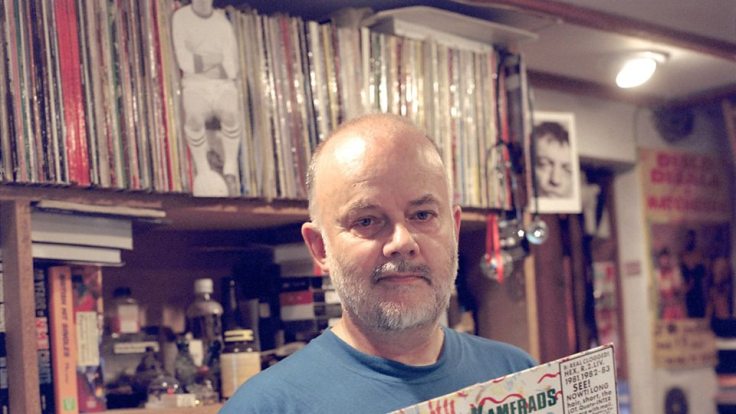
John Robert Parker Ravenscroft, OBE (30 August 1939 – 25 October 2004), known professionally as John Peel, was an English disc jockey, radio presenter, record producer and journalist. He was the longest serving of the original BBC Radio 1 DJs, broadcasting regularly from 1967 until his death in 2004.
John Peel was like the father I never had. His radio shows at 10pm from Monday to Friday on Radio 1 didn’t just keep you awake – they educated you.
Only Peel could play records the wrong side or at the wrong speed and then brilliantly dig himself out of a hole like he did – spectacularly.
And how many teenagers (and perhaps folk way more advanced in years than that) invented their own festive fifties?
Legend and national treasure, John would have turned eighty today had it not been for his untimely passing in 2004.
Keepingitpeel on Twitter are having quite a day of Peel celebration and memories and I wanted to include bits of that in this tribute with this Guardian review of his autobiography.
Unfinished sympathy
John Peel’s wife Sheila Ravenscroft completed Margrave of the Marshes after he died – and has produced an immensely compelling portrait, says Simon Garfield
Margrave of the Marshes
by John Peel and Sheila Ravenscroft
Bantam Press £18.99
Almost a year ago, John Peel’s memorial service seized up a town. The bewildered police in Bury St Edmunds had expected hundreds of people, not thousands, and the cathedral was full more than an hour before his family arrived with the coffin. Those of us left outside in the drizzle who believed they had left home in plenty of time were forced to reflect that perhaps John had not been talking to us alone after all.
As the funeral progressed, the Radio 1 website filled with the sort of emotion not usually evident when an important British broadcaster passes away. People who had never met him wrote of how much he meant to them, and how he got them through a difficult period in their lives. Many messages had an intensity that would have driven Peel to helpless tears. It was difficult to explain precisely what had caused this outpouring – something that continues this month with many anniversary tributes. But it was clear that it wasn’t just about playing challenging records late at night or revealing complicated domestic situations on Saturday mornings. It may just be that he achieved effortlessly from the start what most presenters never achieve in their entire careers: a personal relationship with the listener that made us believe we were hearing from a friend.
His autobiography was well under way by the time he died of a heart attack in Peru at the age of 65, but his life and his account of it was so full of diversions that he had not yet reached the point where he had spun a record on air. In fact, he had only just lost his virginity. Peel would thus have referred to this book as a game of two halves: his own story of his school days and national service followed by his wife Sheila’s report of his subsequent career and family life. Each section has its own pleasures and limitations, but jointly they may have created a publishing first: the patient and analyst in one immensely compelling volume.
Longstanding readers of this newspaper’s review pages will remember Peel as an original and humorous writer, but may be surprised at how well he had grasped this longer form. The narrative is chronological, but it is informed by more recent asides; his teenage traumas, for example, are followed by tales of the middle-aged female fan who was convinced the famous Peel lived in a commune in Baker Street with Lou Reed and Stevie Wonder (Peel played along with this, informing her how he dreaded the weeks when it was Stevie’s turn to cook). In other words, we do get glimpses of his wonderful future career to redeem the tales of masturbation, bullying and all-round teenage desolation.
There was not much warmth in his Cheshire childhood home, certainly not from his parents. Peel was born a few days before the outbreak of the Second World War, and he didn’t see his father until it was over. He remained a distant figure on his return, and his son recalls his fondness for regular bowel movements and his dislike of hugging. His mother is described vividly in terms of her fondness for the solitary consumption of romantic fiction and wearing embarrassing outfits whenever in the presence of his schoolfriends. His parents divorced when John was in his teens, and much later his mother hooked up with the actor Sebastian Shaw, who played Darth Vader in Return of the Jedi.
His mother regularly administered domestic beatings when John was perceived to have erred, something that stood him in good stead when he became a boarder at Shrewsbury. Peel, still known then as John Ravenscroft, was not the academic type, and his school reports display nothing but despair. Yet he was a handsome youth and his study monitors found him irresistible. His account of servicing these boys and being buggered by one of them in a cemetery toilet has already made headlines, although he writes about it with more of a shrug than a howl, as if he was reading a favourite dismal lyric by the Smiths. Indeed, with a couple of exceptions, most of his writing has a soft, forgiving tone: he even finds an agreeable side to Tony Blackburn and Chris Moyles; the worst he can say about pop stars is that Sting is ‘tiresome’.
After boarding school, national service held few horrors. Peel’s half of the book ends in the United States, but it is clear his heart isn’t in his insurance job. His time is split fairly evenly between meeting John Kennedy and Nixon on the campaign trail, seeing a stripper called Chris Colt, The Girl with the 45s, and pursuing his burgeoning taste for obscure rock’n’roll and blues.
His flash-forwards contain anecdotes he has told so many times that he is almost apologetic about recounting them again, although they all bear publication. We get the first time he heard Elvis, on Two-Way Family Favourites, the fanaticism for Liverpool FC that led to the middle-naming of his children Anfield, Anfield, Shankly and Dalglish, and the Bay City Rollers gig at which Tony Blackburn was escorted across a lake by a Womble (‘Look on this and marvel,’ Peel murmured to Johnnie Walker at the time).
It is left to his wife and children to take the story on, and explain the reason for the crowds at the funeral. It is the closest thing to a 200-page love letter that we may read this year, but its subject would have been appalled if his faultlines weren’t also on display. His huge influence on the musical tastes of two generations is handled well, but it’s the disclosure of his great sensitivity and private doubts that provides the most rewarding insight. Domestic life in Suffolk was chronicled by Peel on Home Truths on Radio 4 (often in a little too much detail for his children), but there were only hints that he considered himself an inadequate father. Sheila writes of his distress at being absent so much when his children were young, to the point that he confused their names; he regarded even 10 minutes’ quality time with them each day as an impossible goal. And then there were his unpredictable and occasionally raging moods that would send his children scurrying for shelter.
The second half draws heavily on Peel’s diary entries and published writing, and there are some wonderful and woeful surprises, not least his soft spot for Status Quo and the details of his disastrous first marriage to an underage girl in America. It was intriguing to discover how often Sheila’s own reminiscences are framed with a similar phraseology to her husband’s (she writes of the ‘dimly lit corners of the internet’ where there are sites dedicated to his on-air gaffes). The title of the book is the title Peel jokingly conferred on himself in his grander moments at home; a possible alternative was If He Ever Hits Puberty, an expression his Radio 1 producer John Walters used to employ with regularity (‘If John ever hits puberty, we’ll both be in trouble … ‘).
The book ends, bravely I think, with lists of events Peel sent to his literary agent for possible inclusion in an autobiography before a deal was signed: ‘Terror at attending Desert Island Discs anniversary do in ill-fitting suit … an exhibition of awful Japanese paintings with Samantha Fox and Shirley Williams for Gloria Hunniford on TV … anecdotes (unflattering) about visits to Peel Acres by Sue Cook (who broke our electric blanket) and Bob Geldof.’ All of which would have made this a longer, increasingly eccentric but probably no more delightful book.
Thought I’d make an entry on this as every year the Fantasy Premier League is a bane and pain for millions of sufferers. Unless you’re one of the few fortunates who just happen to pick the striker in form consistently enough or have an unquestionable hunch for the right captain.
As I write, I am listening to the BBC 606 Fantasy Podcast and they’re discussing, among other things, the Aguero conundrum. Having scored a couple of goals in the Champions League, what will happen on Saturday – will he start or be on the bench again? They toss a coin in the studio and it’s heads for Aguero and tails for Jesus. It’s a tails but it’s very much wait and see.
The Manchester City rotation is a huge issue for FPL fans in any case. De Bruyne and/or Sterling are often rested along with Aguero and even David and Bernardo Silva seem to take it in turns. A few managers dodge the bullet by not having any of these City players and turn their attentions elsewhere to more guaranteed starters, which after all, is what you need.
One of the first things to consider once the season has begun is when to use the first wildcard. Every year I use it by week three, usually because I’m already playing catch-up and it’s easy to do but really you should keep faith for a whole lot longer because you can guarantee that the players you change will start producing once you’ve binned them!
Of the chips, I have at least learnt never to use the free hit until there is a possibility of a double game week later on – it’s usually towards the end of the season. You can also keep your January wildcard for that purpose and another trick is to play your triple captain chip during a double game week. I did it last season with Harry Kane though and he was ill the first game and did nothing when he played the second – so it doesn’t always work!
This season has seen some low-scoring gameweeks. Take last weekend, 34 points is something you would usually shudder at but actually the week average was 37 and it didn’t put you further behind at all because all the major captaincy picks flunked.
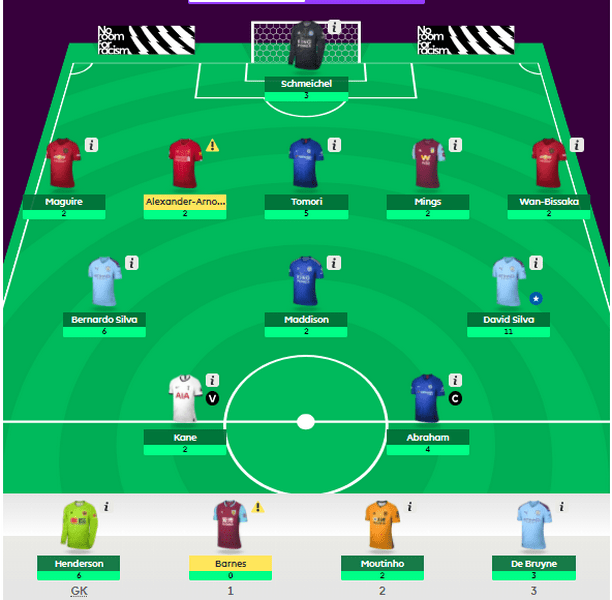
Let’s look at my current team and see what surgery may be needed.
Depending on what kind of illness TA-A has, he could be recuperated by 4.30pm Sunday but Lundstram over Maguire as the replacement might be a decent call. Sheffield United’s defence looked very organised against Arsenal and West Ham may not find it a walk in the park breaking them down. Harry Maguire has mustered just below two points per game on average and missed a couple of very good chances to score with headers, chances you feel that would have been put away if he was still at Leicester!
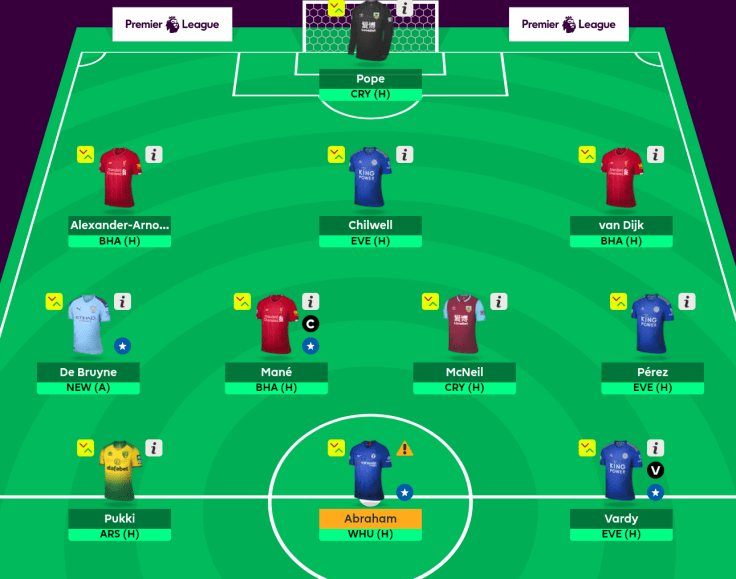
Defence-wise I had chosen Trent and Virgil from the off and while LFC haven’t been as mean in defence as they usually are, these two are not players I would ever consider changing. Luca Digne was an addition but mainly due to the teams above me having him. Note it is always worth tracking your nearest rivals transfer movements. To that end, and to compare my own team, here’s the team that’s top of the main league I am in.
Notice they left KdB on the bench but he had had that injury so nobody was quite sure if he would start at Selhurst. Like me, they captained Abraham and with Kane not firing much AND with me being just seventy-odd points worse off as we enter the second quarter, it really isn’t panic stations yet.
Mo Salah is back from a brief injury now but Mane for Salah has been a very popular switch of late. With Mane, KdB, Bernardo and Mount, you’d think that’s a strong enough midfield for the long haul.
And with the strikers, I’ve continued to employ the budget price brigade, keeping faith with Pukki for the moment and Maupay could yet be a shrewd pick for third choice forward.
Gameweek ten begins tonight with Southampton v Leicester but before I go, one last tip. On transfers, if you can, save them up. If you don’t make one then the following week you will be able to make two changes. Okay, sometimes you will be at the point where there’s no-one you’re that interested in but it’s still a luxury; put to good use you may well benefit from getting rid of someone who just sin’t doing it. Bear in mind however that once you ditch them, they;ll score or keep a clean sheet next gameweek – it’s the Fantasy Premier League way of things.
Gameweek 14 and 15
Tammy has picked up a hip injury in the Valencia game and is rated 50/50 so while leaving him in the team, I went and replaced Digne with Tomori who will be first sub.
This frees up £1m for other areas and with a round of midweek matches incoming, the goalkeeping situation needs addressing. I’d be happy to leave Pope in against Manchester City at Turf Moor but may look at replacing Ryan with Brighton playing at Arsenal.
The contenders would be Henderson (Sheffield United home to Newcastle United) and Guaita (Crystal Palace home to Bournemouth).
This week’s captain pick by most I feel will be Vardy with Leicester hosting an hapless and enigmatic Everton but I’ll probably make another captaincy faux pas in sticking with Sadio.
My hunch is that Liverpool haven’t pasted anyone of late and they are due to hand one out to someone. Of course having two Liverpool defenders playing is a concern as they struggle to keep clean sheets these days.
Replacing van Dijk may well be an option, bringing in an Ake or Tarkowski perhaps, while Moutinho might reap finer rewards than Rodrigo.
Currently we are 15th in the A/V Forums league and probably over a hundred points behind the leading team.
Finished sixth last season and tenth in 2017/18 and while my team looks decent enough on paper, I have suffered as usual in two on going problem areas, captaincy and players on the bench performing a lot better than I considered.
Fantasy Premier League is so rich in hindsight; you always see the errors in your ways after the horse has bolted!
Old tv programmes that you remember as a child can often rear their heads in conversation. Yesterday while queuing for a pre-shop breakfast at a local Tesco, Ken Goodwin came to mind with his catch-phrase “settle down then”. I wondered if he was still with us. Sadly not. Goodwin died aged 78 of Alzheimers back in 2012.
But it inspired me to write a feature on the seventies tv show, The Comedians, which starred, as well as Goodwin, many other great stand-ups, household names many of them.
Also featured on the TV show, were Shep’s banjo boys, a 7-piece band comprising (for the first 5 series) Charlie Bentley (tenor banjo), John Drury (sousaphone), Andy Holdorf (trombone), John Orchard (piano), John Rollings (drums), Graham Shepherd (banjo) and Howard Shepherd (lead banjo). In 1973, the line up was Mike Dexter (banjo), Tony “Tosh” Kennedy (sousaphone), Ged Martin (drums), Tony Pritchard (trombone), Graham Shepherd (banjo) and Howard “Shep” Shepherd (lead banjo).
The Comedians began as an experiment for Granada TV. Filmed before a live audience in Manchester, comics each performed 20-minute sets, which were then edited together into half-hour shows. Each edition featured up to ten stand-up comics.
Working men’s clubs are numerous in Britain, especially in North East England and have been a useful training ground for artists, especially comedians. Most of these clubs are affiliated to the CIU (Working Men’s Club and Institute Union) founded in 1862 by the Rev. Henry Solly. There are also political clubs, as well as Servicemen’s Clubs affiliated to the Royal British Legion.
It was remarkably popular during the earlier series. An LP recording of the show reached the best-seller charts, several sell-out national tours followed, including a season at the London Palladium, and the programme won the Critics’ circle Award.
The comedy frequently took the form of anecdotes or jokes and often involved racist or sexist stereotypes. Like other British comedy successes of the day, notably, Love Thy Neighbour, this kind of entertainment was acceptable on British television during this period but would not be so today. Viewing the series in retrospect it stands as a major social document of the times.
In recent years, the series has been repeated on the (now defunct) British satellite television channel Plus, and can now be bought on DVD, having been released by Network.
Remarkably popular during its earlier series, The Comedians was basically a bunch of stand-up comedians and a Dixie Jazz band (Shep’s Banjo Boys) in Acker Bilk vests.
Recruited from the hard-drinking Northern night clubs and working men’s clubs that were their staple environment, Granada TV put the North’s best ‘unknown’ comics into the studio, taped their (expletives deleted) live acts and edited the material into non-stop barrages of quips to slay the audiences at home, packing up to 50 jokes into each half-hour show (although 80% of the material recorded was never used).
Even though some of the comics had been working for 20 years, many were appearing on television for the first time.
Many of the lines were so old they creaked, and there was a fair dose of racist, sexist and physical defect material that was only just acceptable then and would not be today, but mostly the jokes were of the mother-in-law, Irishman and three-men-walk-into-a-bar variety.
Viewers took to the series with great enthusiasm and from those first few golden series many stars were born, among them Colin Crompton (a weedy Northerner, pictured below left), Ken “settle down now” Goodwin (a shy stutterer), Charlie Williams (an ex-professional footballer and ‘coloured chap’ from Yorkshire), Bernard Manning (a portly club man), the great if relentless Frank Carson, Lennie Bennett (a giggler) and Mike Reid (a ‘marfy’ cockney).
All of them found their nightly fees skyrocketing from around £50 to £1000 or more.
So popular was the series at the time that in the summer of 1972 The Comedians became a stage show, mounted in Blackpool, Great Yarmouth and London, and an album made the lower reaches of the charts.
The series was created by Granada’s Light Entertainment producer Johnny Hamp, whose father had been a magician playing music halls as The Great Hamp.
Being steeped in the tradition of old-fashioned stage entertainment, both knew exactly where to find the best local talent, and had the stamina not only to last the exhausting three-hour recording sessions where each comedian would perform a stand-up spot of around 15 to 20 minutes but also to edit the resulting tape into finished shows.
In 1974, on the back of its major success with The Comedians, Granada launched a Northern working men’s club variety show, The Wheeltappers And Shunters Social Club which featured many of the same comics, with Bernard Manning and Colin Crompton as comperes.
Although The Comedians was still turning up fresh talent, audiences at home grew tired of the formula after three years and the series came to an end after 50 editions.
Three separate revivals then followed and although none matched the success of the earlier shows, some new stars were unearthed, among them Stan Boardman and Roy Walker – indeed, perhaps the best epitaph for The Comedians is that it spawned more TV games show hosts than any other series before or since.
“As the Pope once sad to Michelangelo; ‘You’d better come down, I think we’ll have it wall-papered’”.
Michael Stipe, as you can tell, is not your usual pop star. In fact, he’s not really a pop star at all these days, though he’s working on solo material, occasionally produces other bands, such as Fischerspooner, and is still best known as the singer in REM. Now 59, slight and neat, he has the hard-to-pin-down feel of a much younger person. There’s no weight about him, no sense of him becoming settled in his ways. Instead, he reminds me of a curious faun: skittery, friendly, interested but naturally shy. He’s a talker, but he’s not dominant; he doesn’t swamp you with big ego charisma, though he’s utterly charming. How astonishing that he became so famous, I think. You wouldn’t imagine he’d be able to bear it, despite his ease in a suite. Instead of a lead singer, Stipe has the air of an artist, regarding the world from unusual angles.
And actually, since REM split, in 2011, Stipe has been just this, making installations and video work, sculpture and photography. He filmed his first artistic mentor, Jeremy Ayers, dancing for seven minutes, then set it to house music composed on a Moog. He makes books and experimental sculptures in his studio in New York, where he lives with his long-term partner, Thomas (pronounced Tohma) Dozol, who’s also a photographer. In fact, in the years since REM, Stipe has been quite at ease with exploring his art, with not performing. “It feels like the real me,” he says. “I’m working in all these different mediums and it makes sense.” At one point he grew the most enormous wild man beard, though it’s trimmed short today. He wears a green polo shirt, jeans, green socks and a beautiful large gold ring on his left hand.
Stipe is in London as part of a short promotional tour, with a double set of duties. It’s the 25th anniversary of REM’s Monster, and there’s a special box set coming out, so he’s been chatting about that to journalists, alongside REM musicians Peter Buck and Mike Mills. Separately, he’s also here to discuss his new book of photographs, the second in a series made in collaboration with other people. The first, Volume 1, came out last year: it featured just 35 photographs and was made with artist/curator Jonathan Berger. The second, Our Interference Times: A Visual Record, with writer Douglas Coupland, has just been published. And it’s Interference Times that we’re here to contemplate. We put the book on the table, open it at page one… “A window,” says Stipe. “In black and white. And kind of shitty, like a shitty cellphone picture. Every image after this is colour, like boom, here we are in real life. Or fantasy life. It’s basically the mind of Michael.”
The new book is less densely populated, though there are pictures of people, and those without humans show evidence of our interference with nature’s design. Stipe talks about one, which seems to be there to deliberately annoy neat freaks. It’s a picture of a manhole cover, a pavement and a fence. None of them fit together properly. It’s maddening … though Stipe sees it differently.
“You have these striations from a natural material, made into concrete,” he says. “You have these stones laid out as a mosaic, a manhole cover. And then a tree that’s been cut into slabs. It’s man attempting to create order from chaos. A lot of the book is really about that old waltz between man and nature.”
Stipe has taken thousands of photographs in his time: about 37,000, he thinks, kept in “a house” and in storage facilities. He’s a massive hoarder (when he puts on a jumper later, he mentions that it’s one that he bought in the 1990s, and found the other day when going through a storage container), and he started photography young, taking a course when he was 13, then studying photography and painting at the University of Georgia before leaving to form REM. And he often used his training and art sensibilities while in the band – directing videos, overlooking graphics and stage design. His photographs became LP covers, and he used his camera as a diary when touring. Despite all this, he says that he would have preferred to have been a fine artist, but he doesn’t like his drawing line. In Our Interference Times, there’s some of his drawing near the front – a profile, drawn when he was very young, some school work, a copy of some graphic writing. “I liked how it looked, which is very unusual for me,” he says. There’s also a picture of a smashed lightbulb, representing an incident that happened when Stipe was three years old.
“I bit into a lightbulb because I wanted to be the filament,” he says. “And the only way that I knew to get inside was to bite through. So I did. My father and my uncle got the glass out of my mouth, they got some glue, and they put the lightbulb back together to make sure I hadn’t swallowed any glass. I distinctly remember doing it. The desire to be the filament…”
To become the light? I say. That’s an easy metaphor.
“Well, I was a year out of scarlet fever,” says Stipe. “I had scarlet fever as a two-year-old and it boils your brain. You use your synapses differently. And that’s become part of my mythology of myself, and I go along with it. I do think differently and I know that. I’m neither synesthetic nor on the spectrum, but there are similarities. I talk differently, I know!”
Stipe puts on a beanie hat, and his 90s jumper, and we go down to the lobby. He wants to check on the Extinction Rebellion protest before dinner. Erdem is a bit worried – he doesn’t like crowds, in case they turn nasty – but we all walk to Trafalgar Square, to wander between the tents and the flags, to dart through the crowd around an anarcho-rap band, the people queuing for vegan curry. It’s like the Green Fields at Glastonbury. And Stipe is utterly at home, moving swiftly between everyone, always looking, never stopping. I leave him there, in the dark, completely happy.
*Selected extracts from Our Interference Times in The Guardian, courtesy of Miranda Sawyer.
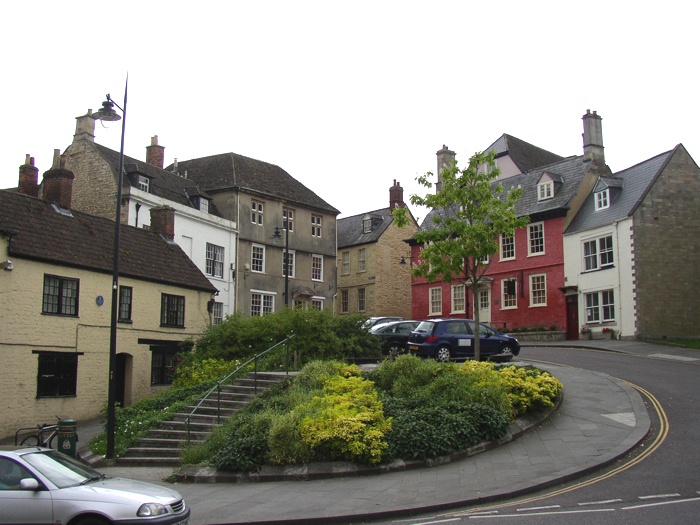
I always thought the best thing to come out of Wiltshire was XTC. And perhaps their song ‘English Roundabout’ refers to that particular madness in Swindon. But within the confines of the county lay some really beautiful and interesting towns and villages.
On the Somerset / Wiltshire border is the town of Frome and where many of these hamlets have the same character, I’ve often though that perhaps Frome should belong in Wiltshire. Anyhow, my mum lives in and loves Westbury and I’ve friends in Warminster and Marlborough. So, being left to my own Devizes, here’s a look at some of these places that are worth a visit, like the village of Upavon…
Amesbury
Amesbury is a small Wiltshire town. It lies on a meander of the River Avon, eight miles north of Salisbury, at a point where the main road from London to Exeter bridges the river. The chalk downlands of Salisbury Plain surround the town, pocked with the remains of earlier civilizations.
Until the present century Amesbury depended largely on agriculture, but now its population of some 6000 inhabitants looks mostly to the neighbouring defence establishments or to Salisbury for employment. The nucleus of the town and its medieval abbey church remain, although the ‘ great thoroughfare’ which once formed the High street has been channelled into a modern by-pass.
The abbey mansion, the abbey was founded in 979, is now a nursing home, the 18th century houses of the town centre are interspersed with modern shops, and housing estates have encroached onto the common fields.
Amesbury may not impress the casual visitor, or even the resident, with a sense of history in the way that Salisbury (an altogether younger place) does, but there is plenty in Amesbury’s past that deserves to be remembered.
Bradford on Avon
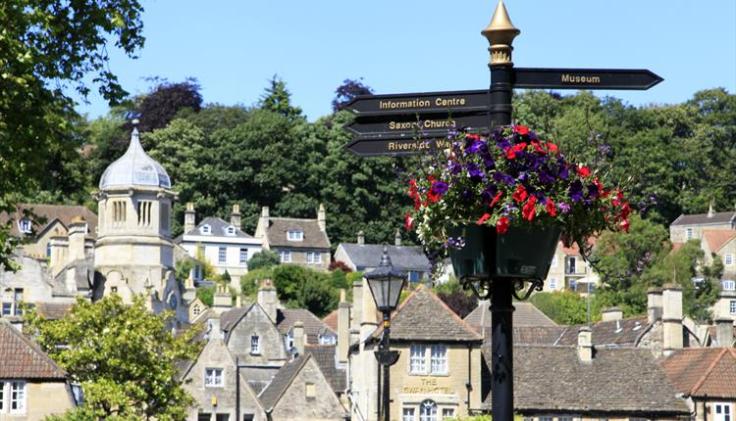
Bradford on Avon grew up around ‘broad ford’ and the slopes of the river. The narrow roads are lined with grey buildings in mellowed Bath stone. The textile industry had been the backbone of the local economy for six ceturies until its demise at the begining of this century.
At one time Bradford had more than thirty cloth factories. However when King James I enacted a law compelling all cloth to be dyed in London, by a merchant to whom he was in debt. This law ruined most of the trade in the West Country. The trade changed when Paul Methuen (one of Bradfords great clothiers, whose family now own Corsham Court ) brought over a colony of Flemish weavers to introduce improved techniques.
The 19th century cloth mills still line the banks of the river and the old clothiers houses and weavers cottages provide plenty of old world charm.
Well worth a visit is the Saxon church of St laurence, this building dates back to the eleventh century but was only rediscovered in 1871. It may even be built on the site of the earlier construction by St Aldhelm in 700AD.
It is incredible that a building this old is still in such a good condition. It owes its survival to the fact that it was not recognised as a church at all, as families used to live in it and even a school was once housed inside.
Other places of interest include the Holy Trinity Church, St Mary’s Chapel and the Tithe Barn at Barton Farm.
Calne
Currently the town centre is going through transition, following the demolition of the Harris Factory. A new supermarket is under construction and the intention is that the town centre will be landscaped.
Historically, Doctor Joseph Priestley discovered Oxygen while living in Calne from 1772-1779. There is a memorial to him by the Doctors pond, not far from St Mary’s Church.
Walter Goodall George (1858-1943) was born near Calne Town Hall, and held the World Record for the mile from 1886-1915. A memorial to this was unveiled by Sydney Wooderson, the next British runner to achieve the fastest time (in 1935) on the centenary in 1986.
Calne also has St Mary’s Girls Public school. A centre for teaching excellence which ranks very highly in the national schools league tables.
Calne is one of the very few towns where you can stand in the centre, look up and see hills around you, towards the White Horse.
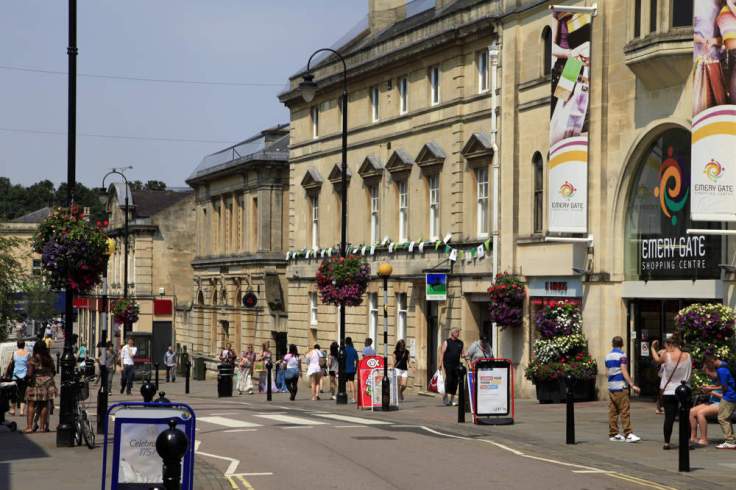
Chippenham
On the death of Alfred, that monarch bequeathed the lordship and town of Chippenham, with its palace, to his daughter Elfleda. In the Domesday Survey, the manor of Chepeham, or Chippenham, is entered as belonging to Edward the Confessor, and after the Conquest it continued in the possession of the crown. In the reign of Richard II. it had passed to the Hungerfords, who rebuilt the church; and in that of Charles I. it was taxed £30 as ship-money.
It had been a market town from the earliest times, as its name implies, being derived from the Anglo-Saxon word Cyppenham, a market-place, but it received its first charter from Queen Mary. It was subsequently incorporated under the Municipal Corporations Act, when the government was vested in a mayor, 4 aldermen, and 12 councillors, with the style of the “bailiff and burgesses of the borough of Chippenham. “The principal employment of the inhabitants is agricultural, but many of the townspeople are engaged in the manufacture of broadcloth and silks. Chippenham is the centre of the North Wilts Agricultural Association, and there is an annual show of cattle, sheep, pigs, and poultry.
The town is situated on a declivity on the S. side of the Avon, which is very wide at this place, and has a beautiful stone bridge of 20 arches, with an ornamented balustrade. It is well built, and extends for about half a mile in length, containing a townhall, market-house, two banks, savings bank, and literary institution. In 1834 it was improved under the provisions of an Act for lighting, cleansing, and paving it.
There are a few grist-mills and tanneries, and the town is connected by a short branch with the Wilts and Berks canal. It first returned two members to parliament in the reign of Edward I. The limits of the present parliamentary borough are much more extensive than the municipal, the former containing, according to the census of 1861, 1,345 inhabited houses, with a population of 7,075, while the latter comprises 300 houses, inhabited by a population of 1,603. It is also remarkable that while the municipal borough has declined 104 in the decennial period since 1851, the parliamentary has increased 792. The population of the parish of Chippenham is 4,753.
The living is a vicarage* annexed to which is the rectory of Tytherton Lucas, in the diocese of Gloucester and Bristol, in the patronage of the Dean and Chapter of Christ Church, Oxford. The parish church, dedicated to St. Andrew, is an ancient edifice in the Gothic style, partly built by the Hungerfords in the 12th century, and has a beautiful spire and peal of eight bells. It contains several brasses and tombs of the Bayntons, Prynnes, &c. The district church, situated near the railway station, stands in the parish of Langley Burrell, and is dedicated to St. Paul. It is an elegant building in the early English style, and was erected in 1555. There are five Dissenting places of worship, two of which are Baptist, the others Independent, Methodist, and Wesleyan. The Roman Catholics also have a chapel.
Here is an endowed school for the sons of freemen, as also National and British schools. The charities produce about £200 per annum. Bowood, the seat of the Marquis of Lansdowne, is not far from the town. In the vicinity were two chalybeate springs, formerly celebrated, but now neglected except by the poorer classes. One has recently been filled up. A paved causeway was constructed by Maud Heath in 1474, from Chippenham Cliff, through the town, to Wick Hill, a distance of 4 miles, at various points of which causeway stones have been erected, each bearing an inscription commemorative of its erection.
Friday is market day. Twice in the month the markets are for the sale of cattle and sheep, and once for cheese, of which several thousand tons are sometimes sold. There is also a corn market. Fairs are held for the sale of horses, cattle, and sheep, on the 17th May, 22nd June, 29th October, and 11th December.”
Devizes
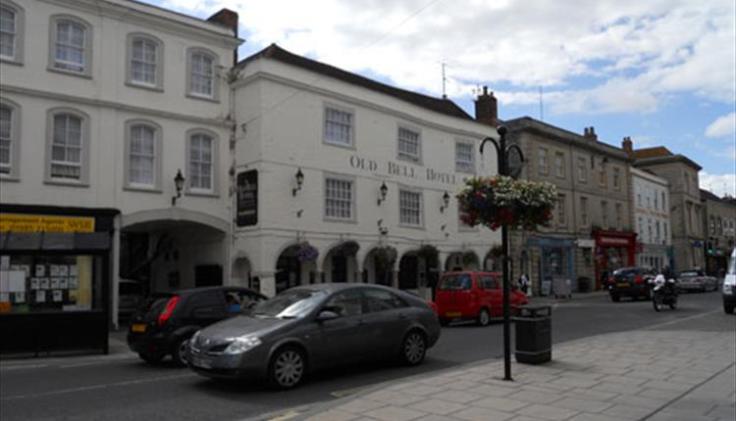
Though it almost lies in the centre of Wiltshire, Devizes did not come into existance until after the Norman Conquest, making it rather unique among the other Wiltshire market towns.
Also evident in Devizes was the Castle originally constructed in 1080 by Bishop Osmund. Rebuilt in stone in 1120 (after a fire) by Bishop Roger. The castle changed hands twice during the civil war but originally Empress Matilda (daughter of Henry I ) held the castle until her death in 1167 where it passed to her son Henry II.
The castle was later dismantled after the battle of Roundway Down. The present castle was built in the 19th century as a private residence and is not open to the public. Devizes is home to over 500 listed buildings.In 1810 the Kennet and Avon opened, with its 29 locks that raise the water 230 feet (70 metres) and trade increased with the transport of tobacco and Bath stone.
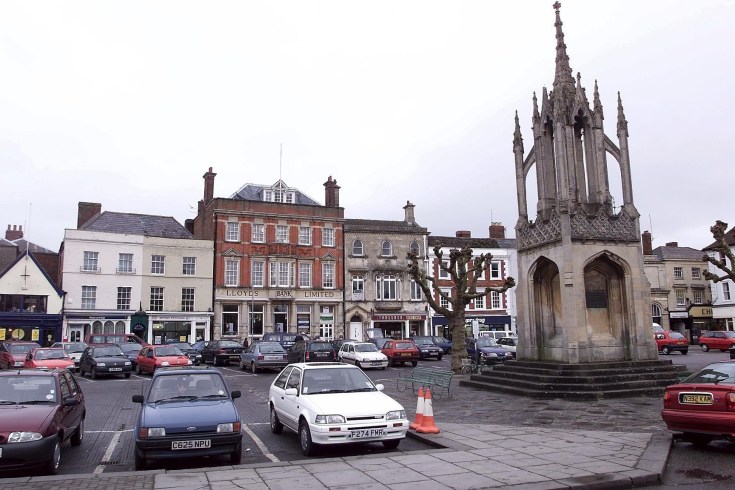
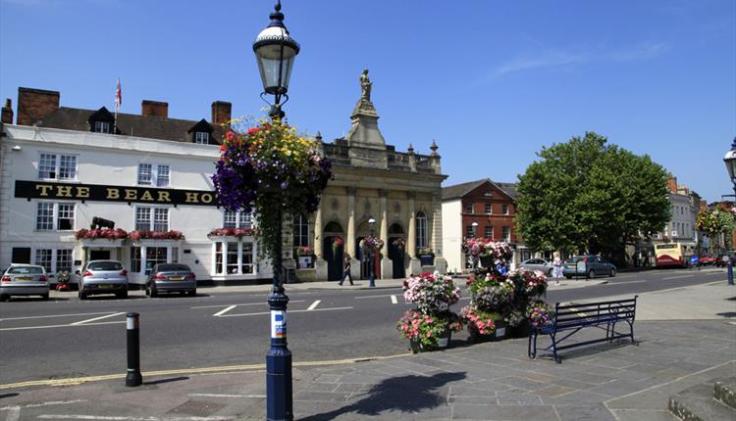
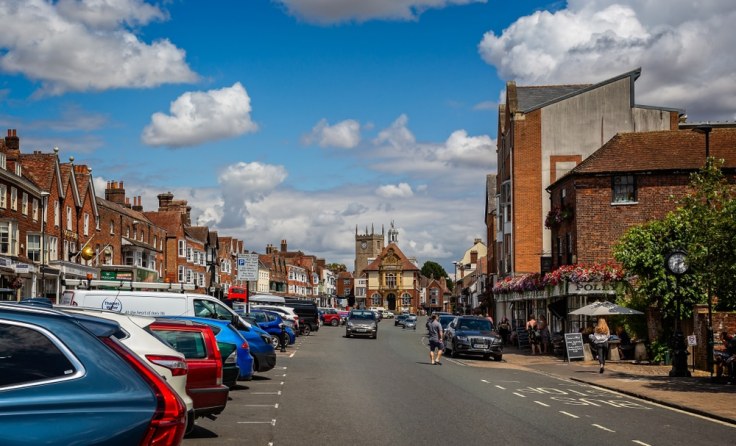
Marlborough
The town’s name — formerly Marlebridge or Marleberg — is taken from the marl or chalk hills in the vicinity.
Magicians…
In the grounds of Marlborough College there once stood a castle, first constructed in wood in 1086 or thereabouts. Local folklore asserts that the motte on which the castle’s keep was founded (known as the ‘Marlborough Mound’ and/or ‘Merlin’s Barrow’) is where the bones of Merlin — King Arthur’s magician — are buried. Whether that is true or not, samples of charcoal extracted from the Mound prove that it was built around 2004 BC, which makes the Marlborough Mound a prehistoric structure of historical significance.
Kings…
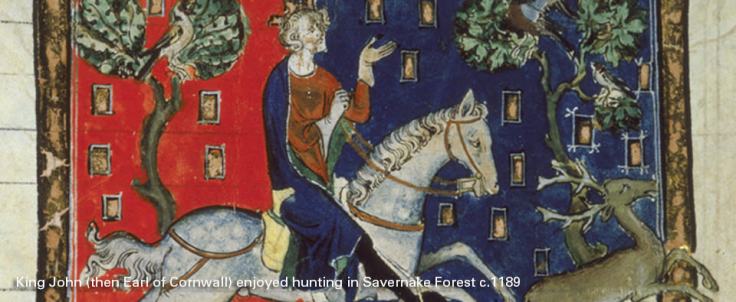
Marlborough’s castle was a royal residence and in 1204 the town was granted a Royal Charter by King John (yes, he of Robin Hood fame) so enabling Marlborough to achieve market town status. By the end of the 14th century however, the castle was in a state of disrepair as it had become militarily outmoded and not sufficiently comfortable for the occasional royal occupant. Although a Crown property, King Edward VI passed ownership of the castle over to the Seymour family — relatives of Edward’s mother. The site of the castle is now the property of Marlborough College.
Cardinals…
On March 10 1498, Thomas Wolsey — later to become Cardinal Wolsey — was ordained in St Peter’s; one of the two churches which stand at either end of Marlborough’s wide High Street.
Battles…
Because the people of Marlborough were against King Charles I, preferring instead to support Parliament, the town was sacked and burned following a fierce battle in 1642. The legacies of the violent historical past can in fact be seen in Marlborough’s architecture. Some of the town’s buildings (St Mary’s church in particular) still bear the scars of the 1642 battle.
Fires…
In April 1653, The Great Fire of Marlborough burned the Guildhall, St Mary’s Church, the town’s armoury and many houses to the ground. Devastating fires also swept through Marlborough again in 1679 and in 1690 causing an Act of Parliament to be passed which prohibited the covering of houses and other buildings with thatch in the Town of Marlborough.
This part of the world has many attractions for visitors, not the least of which is Savernake Forest (good Sunday morning walking just a five-minute drive away) established by William the Conqueror as a royal hunting ground — King Henry VIII being the last monarch to use it for that purpose.
The jewel of the town’s High Street is the Merchant’s House. Built and occupied by a prosperous silk merchant, middle class but with grand ideas, it contains nationally acclaimed wall paintings and decorative features. Humming with activity, it is an outstanding destination for anyone interested in fine old buildings and the craftsmanship needed to create and restore them.
If you’re feeling a little more adventurous, then motor west on the A4 for 20 minutes or so. And low and behold you find yourself in front of, or close to, a couple of World Heritage sites — Avebury Henge and Silbury Hill. Avebury’s stone circle is a prehistoric and massively atmospheric monument of unknown purpose; Silbury is Europe’s largest prehistoric man-made mound, but again, why is it there and who built it? Literally over the road from Silbury Hill is West Kennet Longbarrow — a burial chamber that dates back to 3700 BC and one of the biggest of its kind in Britain. All strange stuff!
On my first visit to Marlborough this past weekend, I went into the Green Dragon pub where a pint of Wadworth 6X was £4.05 (strange amount, that, the odd five pence!) and two guys were playing The Jam’s “English Rose” on gutiars; a rather upbeat version too where it’s a sombre song for the most part.
And one might be forgiven too for imagining that XTC’s “Great Fire” would pay deference to the fire of 1653 mentioned above. It’s one of my favourites (though reading Chalkhills it isn’t one of Andy’s) so I will use any excuse to play it!
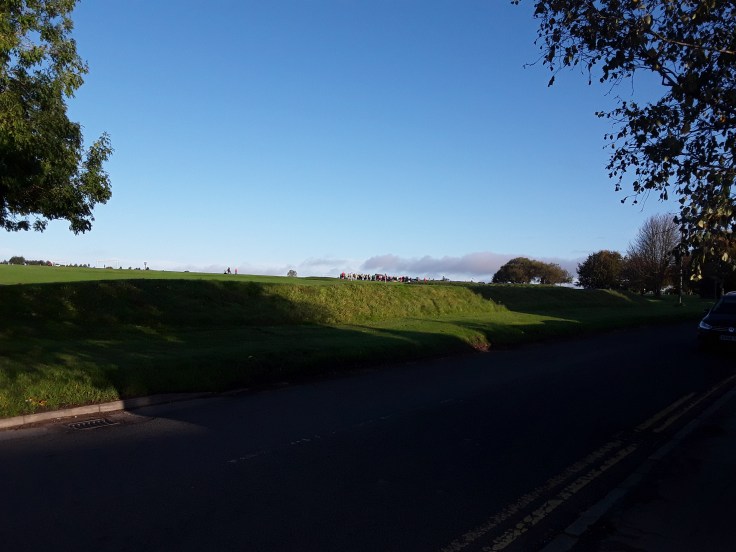
On the Saturday morning, hardy souls out in shorts in the autumnal sunshine…
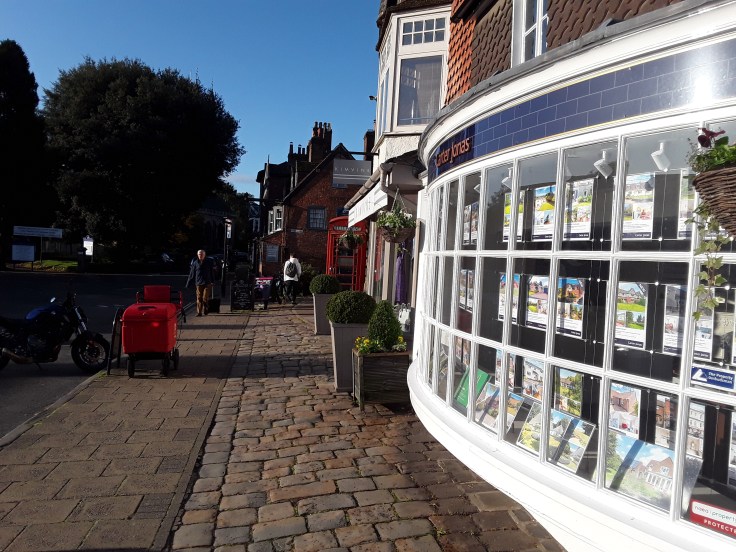
Typical of many of these market towns are the alleys and courtyards; just like in Frome I found a lovely record store…
Marlborough where, yes, old red telephone boxes still prevail!
When I saw this one, I instantly remembered that scene from Clockwise! Apologies for the subtitles – this is one of only two clips on Youtube and the other one was really ropey.
Melksham
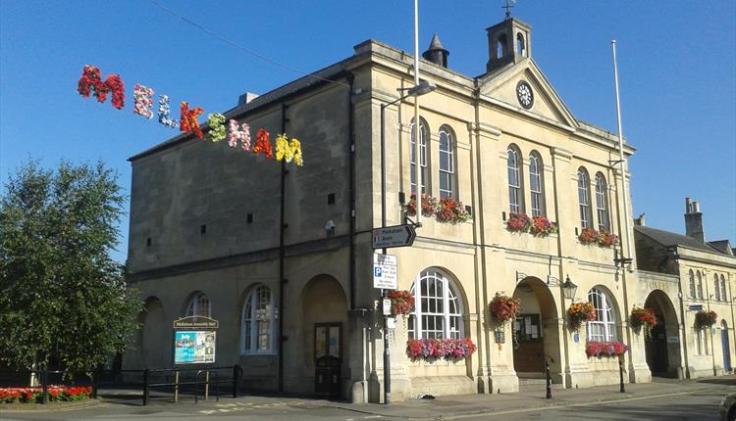
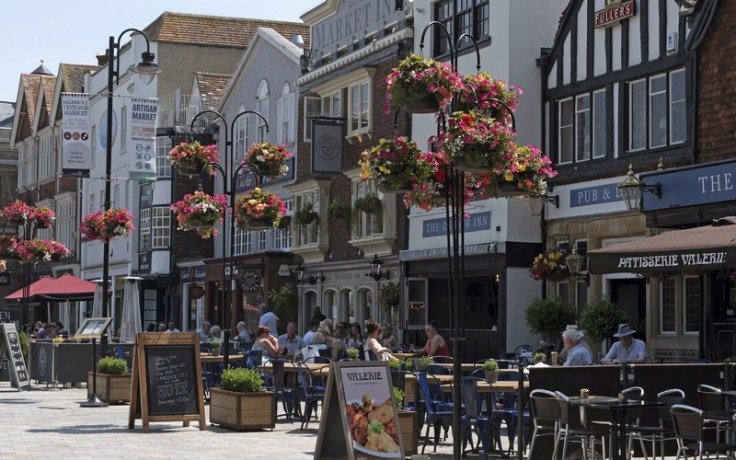
In a beautiful pocket of rural Wiltshire, Melksham is a lovely market town situated on the banks of the Bristol Avon.
A beautiful historic quarter in the Town Centre features St Michael and All Angel’s Church, Canon Square and Church Walk. Nearby are the historic villages of Lacock and Castle Combe and the splendour of the Cotswolds. The friendly Town Centre is full of independent shops and plenty of cafes, pubs and restaurants, with a regular Tuesday Market. Compact and easily accessible, Melksham’s library, gym, swimming pool, tourist information centre and parks are all in easy walking distance of the centre.
The strong and vibrant community spirit ensures a busy calendar of events, including the Scarecrow Trail at Easter, the summer highlights of Melksham Music Festival, Carnival, Party in the Park and Melksham Comic Convention, and the Food and River Festival in September. The popular Christmas Fayre features the highly anticipated switching on of the Melksham Christmas Lights, a spectacular display put on entirely by volunteers.
Melksham people take great pride in their town, and the effort and creativity invested in the Christmas Lights is matched by the dedication in adorning the town with fantastic flowers in summer.
There are some beautiful walks in and around Melksham, including the Riverside Walk along the Avon. The Conigre Mead Nature Reserve is a fascinating and tranquil space hidden just a few minutes’ walk along the river. Managed by a voluntary team of enthusiasts, it is home to dragonflies, butterflies and the occasional kingfisher.
The Kennet and Avon Canal also passes through the Melksham area, offering a great bike ride or walk to the famous Devizes Caen Hill Locks to the east and Bradford on Avon and Bath to the west.
“Melksham has a wealth of clubs and societies for all ages and tastes”
They’re not kidding. Some townies might not even know that in an industrial unit there is a thriving adult swingers club… I won’t name it but you may know the one.
City of Salisbury
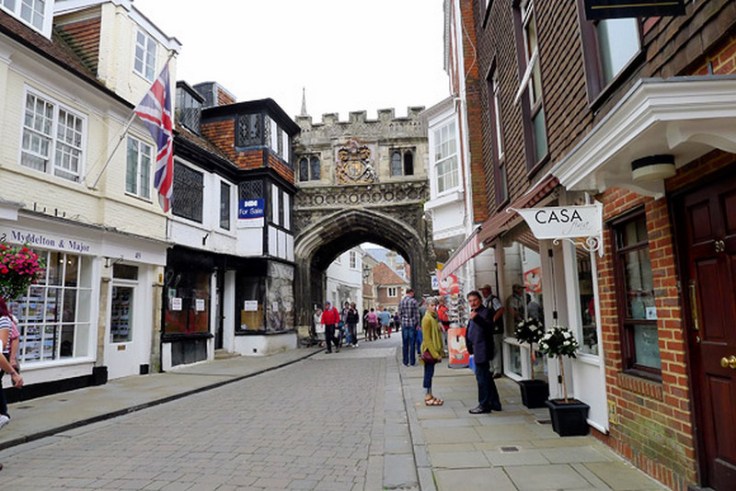
The story begins at a place called Old Sarum, two miles north of modern Salisbury. It was known to be an Iron Age earthwork and later became a Roman fort. In Saxon times was an important political centre, a Witenagemot being held there in 960 AD. In 1070, William the Conqueror reviewed his troops there and it became a Bishopric with a Cathedral and a Castle.
The first Cathedral was mostly destroyed within days of its consecration by a huge storm. Only the nave survived to be incorporated into Bishop Roger’s restoration. Osmund, a powerful Bishop and Chancellor of England, completed the rebuilding and established the Constitution based on the Chapter of the Bayeux Cathedral in France. In 1220 the authorities decided to abandon the site after problems arose between the military and the clergy.
The old Cathedral fell into ruin and many of its stones were used to build a new Cathedral in Salisbury. Situated at the confluence of four rivers, Salisbury is the only city within the county of Wiltshire.
The Cathedral hosts the tallest spire in England at 404 feet and it dominates the city. Many legends grew from the choice of the site to build the Cathedral; some say that the flight of an arrow shot by an archer from the ramparts of Old Sarum marked the place, another that the Virgin Mary appeared to Bishop Poore in a dream telling him to build in ‘Mary’s Field’ which was the site selected, even though is was low-lying and marshy.
Salisbury is one of the few Cathedrals built in the shape of a double cross with the arms of the transept branching off on either side. The cloisters are larger and older than any other of the English cathedrals.
The spire was added 100 years after its concecration and its immense weight, some 6000 tons, meant much strengthening. The Cathedral is home to a wealth of history and many unique treasures including an ancient clock mechanism dating from 1386 and said to be the oldest piece of machinery still at work in Britain, if not the entire world.
Swindon
Swindon is a modern town surrounded by some of England’s finest countryside and famous attractions. Enriched with Victorian parks and gardens, museums including the award winning Steam Museum, and an art gallery.
Originally, Swindon was a small market town mentioned in the Domesday Book. This original settlement is now known as Old Town. Here you can take time to wander through its quiet courtyards and alleyways, stroll around the Town Gardens, or enjoy a vibrant mix of traditional shops, pubs, bars, and cafes.
The arrival of the GWR in 1840 led to great expansion and the creation of the town as it is today.
The town centre is fully pedestrianized and offers both an indoor and outdoor shopping experience. Whether you are in search of the latest fashion, or have an eye for a bargain, this is the place to be. For those more creative purchases look out for the local and international markets that regularly come to the town.
There is also a buzzing arts scene with many events taking place throughout the year at venues including the Wyvern Theatre, Arts Centre and Swindon Museum and Art Gallery.
There are lots of things to see and do in Swindon including a visit to Lydiard House an elegant Georgian abode set in rolling parkland. or shopping at the McArthurGlen Designer Outlet.
You can also discover the history of the Great Western Railway at STEAM Museum, learn about the history of various gadgets at the Museum of Computing or visit nearby farm park Roves Farm or the butterfly world and craft village at Studley Grange.
Last but not least, there is a great selection of accommodation to be found in Swindon to suit all tastes and budgets.
And finally…
Warminster
Situated beneath the chalk downland, with its abundant flora and fauna, Warminster lies on the edge of the Cranborne Chase and West Wiltshire Downs Area of Outstanding Natural Beauty.
The town derived its name from the Minster Church of St Denys which was built in Saxon times within a loop of the River Were. There is evidence of earlier settlements in the seven hills that surround the town, three of which are Iron Age hill forts, the most notable being Cley Hill to the west of Warminster. Once part of the Longleat estate, it was entrusted to the National Trust by the sixth Marquess of Bath.
The town boasts many historic attractions including Warminster Maltings, Britain’s oldest working maltings, and Dents glove factory. Founded in 1777 the latter has been supplying gloves for royalty since the reign of George III, including Queen Elizabeth II’s coronation gloves. Visits by groups to the Dents museum can be made by private arrangement.
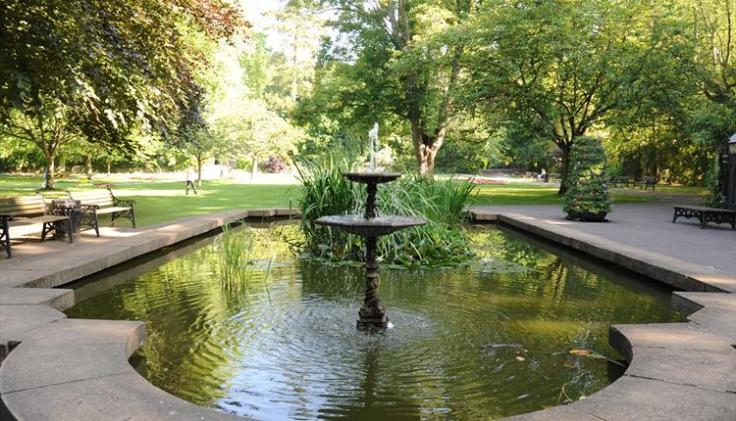
The town park with its tranquil lake is the jewel in Warminster’s crown and is being lovingly restored. The children’s paddling pool is a huge attraction in the summer months and a skatepark, tennis courts and putting green are available all year round.
The park leads to Smallbrook Meadows Nature Reserve which is run by Wiltshire Wildlife Trust and has a thriving population of water voles.
A rich variety of routes to nearby picturesque villages provide plenty of opportunities for cycling and walking activities, as well as sailing at Shearwater Lake.
Warminster is the nearest town to Longleat – home of the UK’s first ever Safari Park and one of Britain’s most impressive examples of high Elizabethan architecture.
ShotsWeb members in particular have immense musical taste and knowledge! Why, only a few weeks ago a thread turned into all things Bananarama and more besides. So, just for fun this morning as the lads head off to the Wastepaper Stadium for our FA Cup win, see how many album covers you can recognise. You can leave your guesses in the reply form. I guessed XTC’s English Settlement for the fifth in from the right but it isn’t apparently; so far I can only hazard at a guess for the one on the far right!
AN EXTINCTION Rebellion protester from Farnham has been arrested while in London – for ‘occupying a gazebo outside Downing Street’.
Lorna Thomas, a member of Extinction Rebellion (XR) Farnham, was arrested on October 7 for setting up the structure in Whitehall.
One of eight XR protesters arrested under Section 11 of the Public Order Act for laying under the gazebo, she was met with high fives and cheers as she was “lifted out by my under arms”.
Lorna was arrested at 4.20pm, before being held at the site of the arrest for three hours, following “miscommunication” with the police van.
Despite being held in custody until 4.30am on October 8, she added that she was “proud to have done that action” as there is “no more important cause in our lives”.
Lorna said: “It is something that I have felt really despondent and depressed about, the state of the environment and climate change action.”
In a further statement addressed at the Prime Minister, Lorna told Boris not to “patronise us” but rather to “do your duty as our leader” and “tell the truth for once and act now”.
More than 20 other Farnham residents joined XR activists from Godalming and Haslemere in Whitehall – including students from UCA, teachers and public servants.
The International Rebellion protests began on October 7, with hundreds of individuals stepping into the roads, blocking traffic and occupying areas of London such as Trafalgar Square and Westminster.
Jane Woodyer, a member of XR Farnham, said: “Putting yourself at risk of potential arrest, abuse from the general public and discomfort – sitting on a road in the rain is no picnic – is not an easy step to take. But local residents are doing it because they feel they don’t have another choice.”
Fiona Massari of XR Farnham also hit out at the Prime Minister’s dismissal of protestors as ‘uncooperative crusties’, instead describing campaigners as “ordinary people taking extraordinary action”.
She added: “Mass disruption is the only course of action that will make our government pay attention”.
A team of Extinction Rebellion Farmers from Hampshire also took to London – in a convoy led by a bright pink tractor. The group was set up “to promote the solutions that farming and land management can provide” when reducing greenhouse gas emissions and assist in building biodiversity.
The convoy set off from a farm in Winchester on Friday, October 4, before travelling via Odiham, Sandhurst and Ascot.
“The changes that are needed have to come from government, and we are taking radical and peaceful action to demand that the government acts,” said Dagan James, buffalo farmer.
“The science is clear, we are running out of time.
“We have no choice but to leave the farm and take to the streets to get our message heard.”












































 Acid Mouse Music